De Rijke/De Rooij, Orange, 2004, sequence of 81 35mm color slides, soundproof box, wall text. Courtesy of the artist.
Willem de Rooij participates in the second edition of the Bengal Biennale, titled Banalata. Curated by Chander Haat and Ritika Biswas, the biennale takes its title from the iconic figure in Jibanananda Das’s poem Banalata Sen, while also evoking the ecology of wild forest vines (ban-lata). Through these intertwined references, the exhibition explores subterranean worlds and buried histories across Kolkata and Santiniketan.
Willem de Rooij presents Genda, which entwines the colour orange with the ecological. The artist has been working on the socio-political, affective, and symbolic registers of the colour orange for several decades. Initially exploring the connections between Dutch nationalisms and its monarchy i.e. the House of Orange, later works for instance investigate the colour of overalls worn by the prisoners of Guantanamo Bay—established as a result of necropolitical policies and a rise in neo-colonial, nationalist sentiments against immigrants from Global Majority countries in European and American contexts.
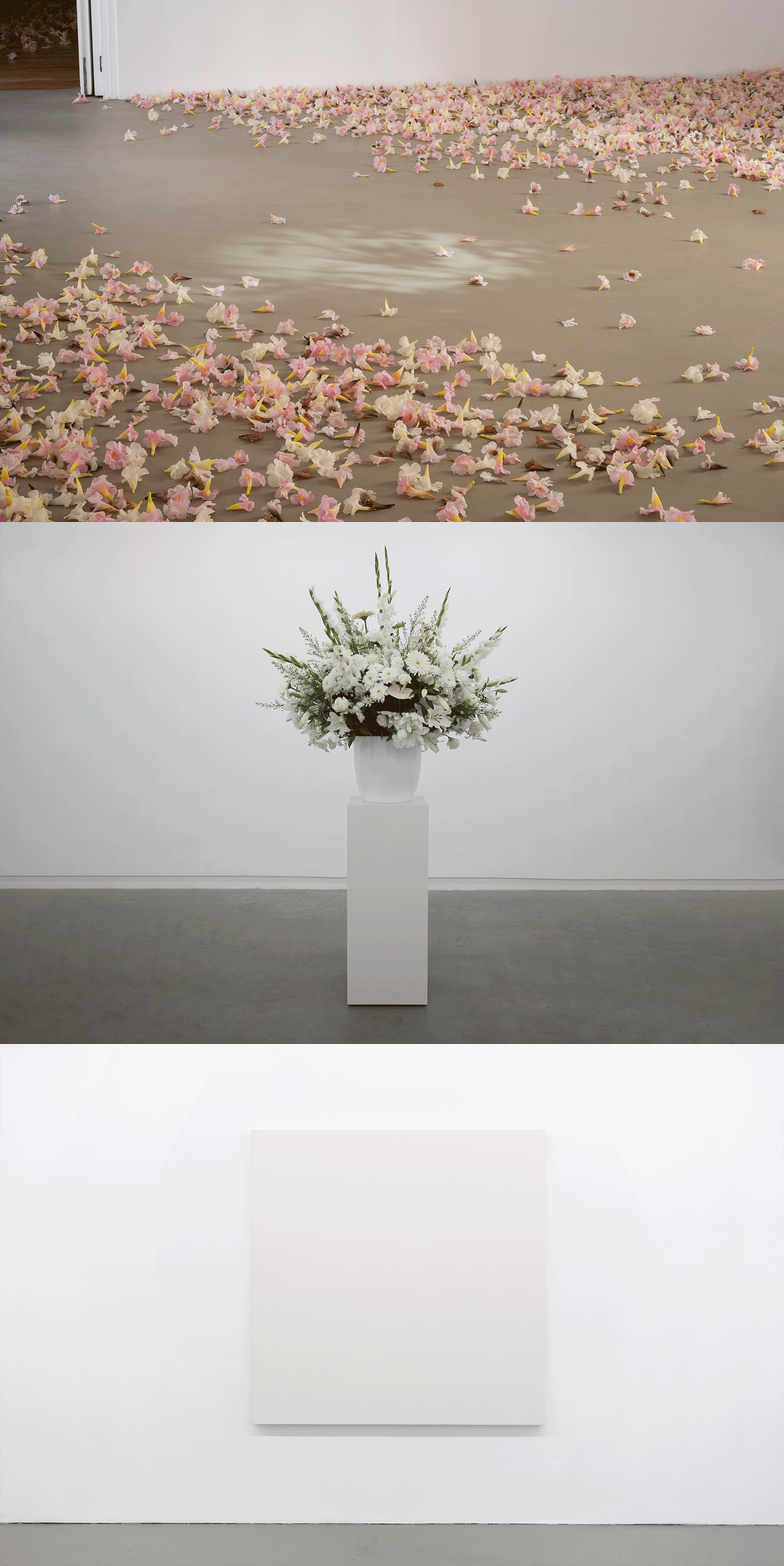
Drawing upon the ubiquitous marigold flower in West Bengal and its manifold symbolism, especially of the orange variety, de Rooij brings his rich study into conversation with the Bengal Biennale’s geopolitical context. This installation is an experiment in the material and ecological conditions of display in contemporary art spaces. It plays out the processes of decay and renewal, the human labour to observe and care for such a semi-living ecology in a white-cube space, and audiences witnessing such local flowers via a sensorial and bio-political installation.
Learn more