With Whitney Claflin, Roberto Cuoghi, Edith Deyerling, David Douard, Flora Klein, Michael Krebber, Shaun Motsi, Clément Rodzielski, Nicolas Roggy, Anri Sala.
—
Leaving the metro, surrounded by fellow commuters moving toward the exit, you encounter a motionless escalator. The sight is familiar: what should be a motorized flight of metallic stairs has reverted to its most rudimentary form. Of the mechanical failures one might encounter during a daily commute, this is perhaps the least inconvenient. You recall the late American comedian Mitch Hedberg’s observation: “An escalator can never break: it can only become stairs.”
You begin your ascent, yet something feels peculiar about that first step. Although perfectly aware that the escalator is stationary, your body anticipates movement, momentarily throwing you off balance. The discrepancy lasts only an instant but reveals something curious about the relationship between what we know and what we experience. Knowing what to expect does not necessarily determine how we respond.
This common occurrence was examined in the 2003 scientific study “The Broken Escalator Phenomenon: Aftereffect of Walking onto a Moving Platform,” which demonstrated how our bodies can anticipate movement even when conscious knowledge tells us otherwise. A similar disequilibrium can arise in an encounter with painting. An abrupt intrusion of color or form might interrupt an otherwise familiar composition. An unconventional hanging might alter our sense of its orientation, while idiosyncratic tools and materials might unsettle distinctions between artistic mediums. Elsewhere, an artist might depict the world’s own improbable circumstances: a living alligator with a knife embedded in its head. The image records something that happened yet remains difficult to reconcile with what we expect to see.
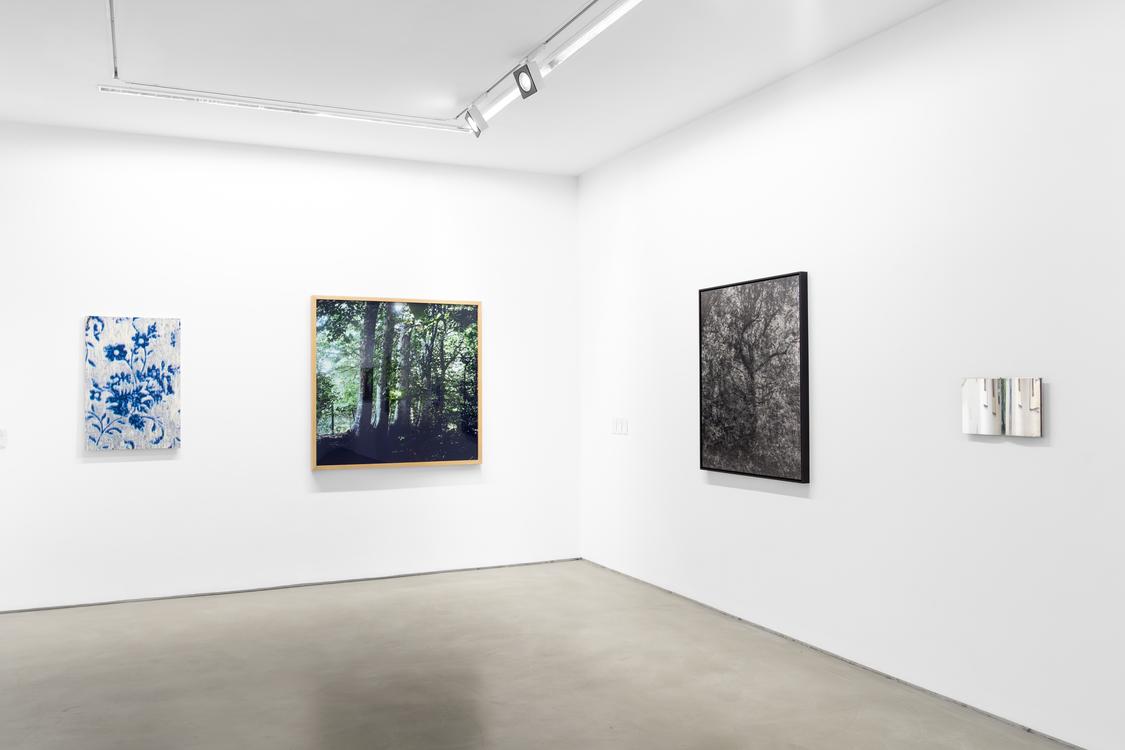
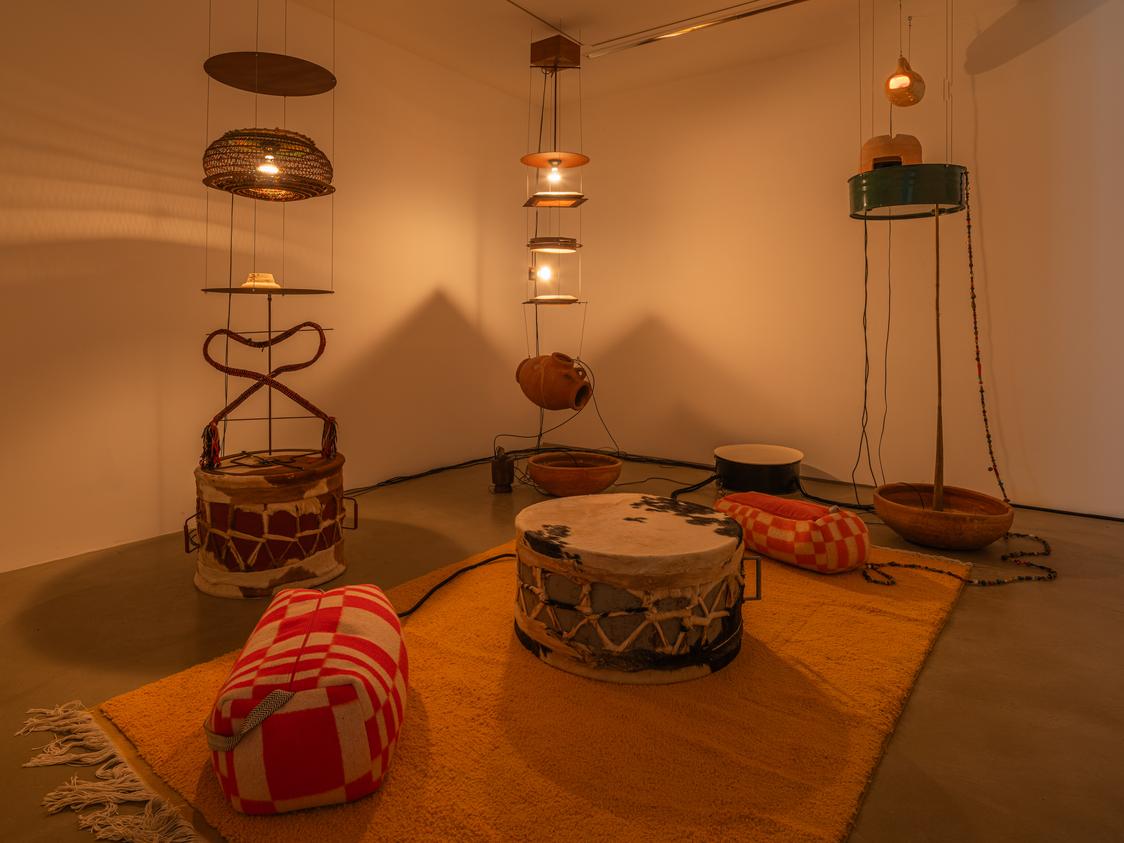
The works gathered in this exhibition unsettle expectations of composition, narrative, and presentation. Moving between abstraction and figuration, they offer recognizable forms without necessarily allowing recognition to settle into certainty. Scale, surface, and spatial arrangement shape the encounter as much as the images themselves. A detail interrupts the whole; a material complicates an image; a frame becomes part of what it appears to contain. These disruptions invite us to look again, attending to what a work presents before deciding what we already know about it.