Portikus is pleased to announce Willem de Rooij’s exhibition Pierre Verger in Suriname, on view from November 7, 2020 to January 31, 2021.
In his work Willem de Rooij (*1969 in Beverwijk, NL) reflects on the genealogy and reception of images, through artistic research and appropriation. He understands images as constructed connotative complexes, both in their modes of representation and in how they are perceived. De Rooij has been teaching extensively since the late 1990s and has been a Professor of Fine Art at the Städelschule in Frankfurt am Main since 2006.
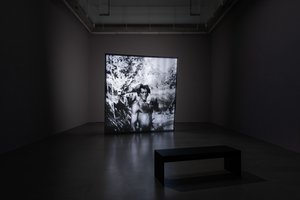
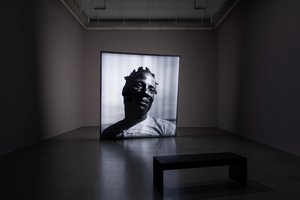
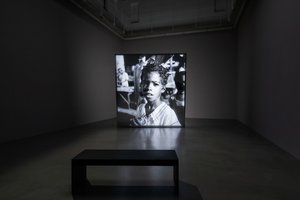
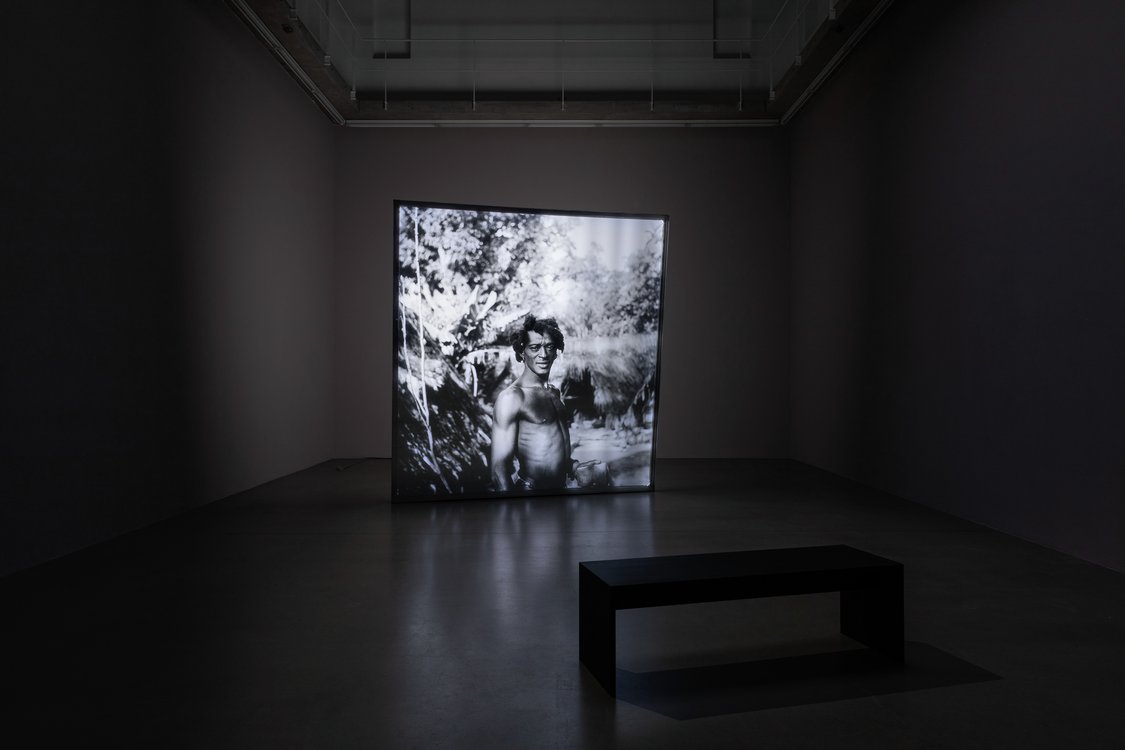
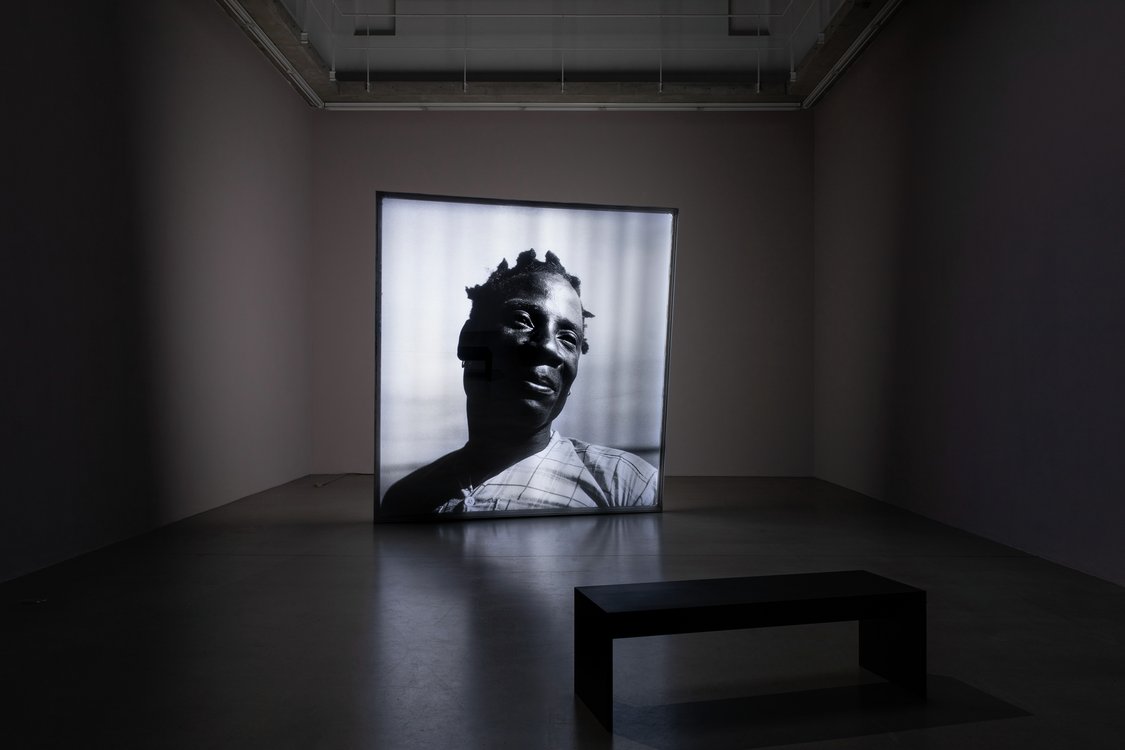
The core of the installation Pierre Verger in Suriname is a suite of 257 images that were made by French photographer and ethnologist Pierre Verger (1902, Paris–1996, Salvador da Bahia) during his eight-day trip to Suriname in 1948. Verger began working as a photojournalist in the 1930s. During his journeys he became interested in the relationship between the cultures of the African Diaspora and those of West Africa. When he settled in Salvador da Bahia in the late 1940s, he began to focus especially on Afro-Brazilian culture.
Verger traveled to Suriname with his friend, Swiss ethnographer Alfred Métraux (1902–1963). They visited the capital Paramaribo, where Verger photographed the city and diverse groups that make up Suriname’s population: Amerindian, Creole, Hindustani, Javanese, Chinese, and European. They then spent time in the village of Wanhatti, home to the Ndyuka, a Maroon people descended from West Africans who had escaped the plantations where they had been enslaved. Verger spent several days photographing Wanhatti’s inhabitants in their daily life. He particularly concentrated on the practice of religious rites, an interest that would eventually become the focus of his life’s work. Today these 257 images are archived in the Pierre Verger Foundation in Salvador da Bahia, which is housed in Verger’s former residence.
De Rooij’s work Pierre Verger in Suriname now makes this particular group of photographs accessible to a wider audience for the first time, through a new installation at Portikus and an accompanying publication.
The publication presents the complete suite of photographs that Verger made in Suriname, in the order that Verger chose to archive them. Accompanying the photographs are five newly commissioned essays that engage with the figure of Pierre Verger, examining his biography as a photographer and as a Yoruba priest. The essays also address the history of multiracial, multiethnic and multireligious Suriname and the roles anthropology has played in the perception of the region, both in Verger’s era and today.
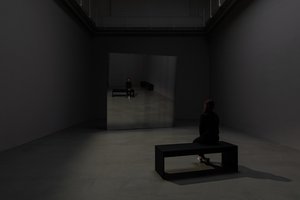
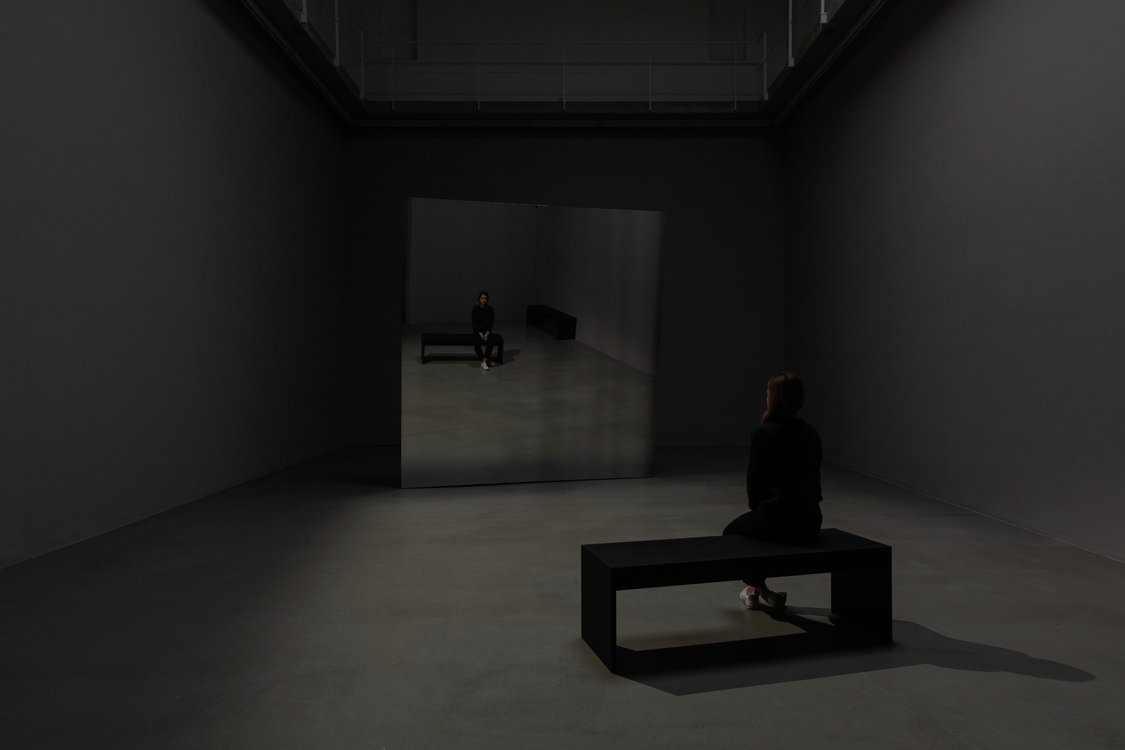
In the exhibition at Portikus, visitors will find themselves in close and active contact with Verger’s photographs. The immersive display device of De Rooij’s installation alternately shows viewers the images and their own reflections. Based on a mechanism of mirroring, the presentation is rooted in the notion that history, and colonial history in particular, is unavoidably a common concern. Pierre Verger in Suriname is therefore not only a source of knowledge about these images and the time when they were made; it also literally reflects the conditions of their perception.
精选图片