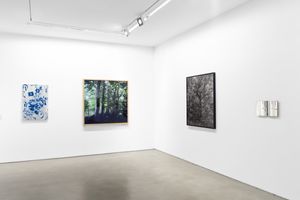
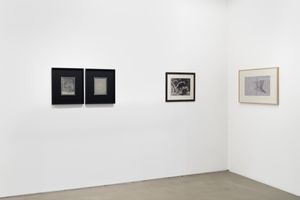
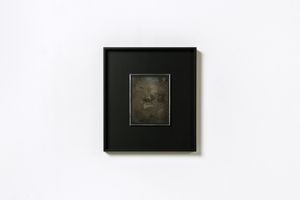
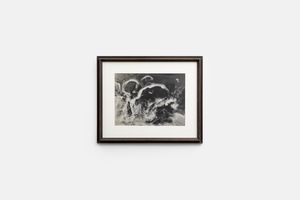
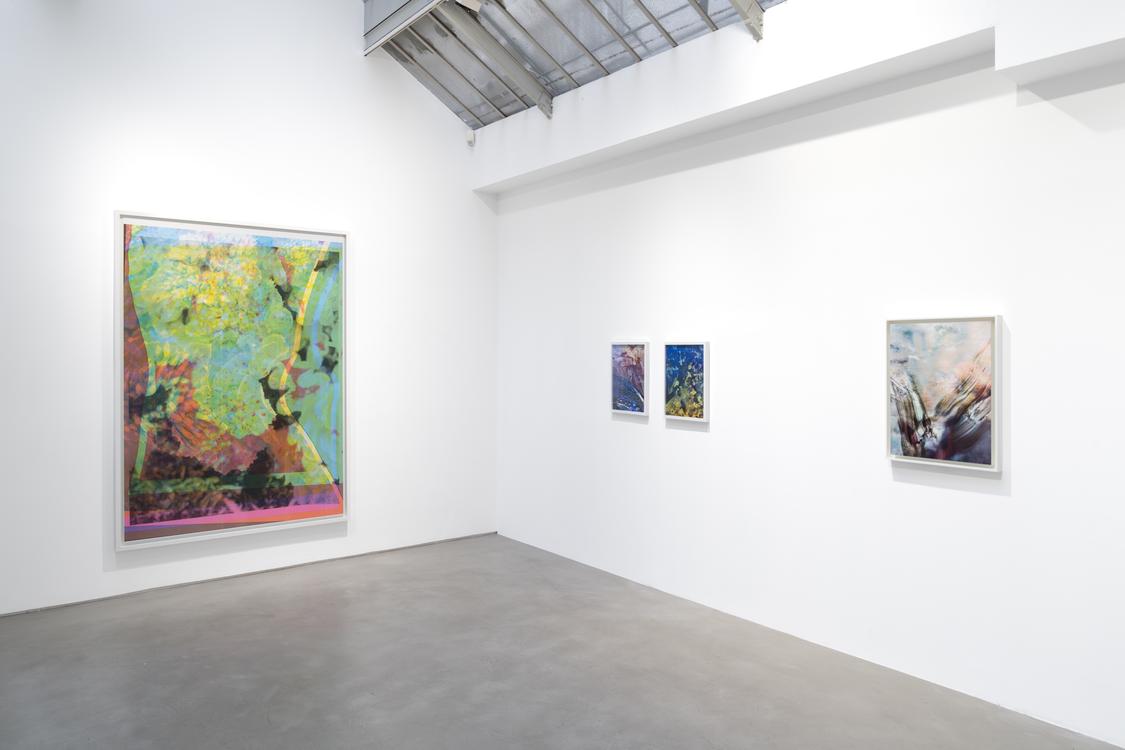
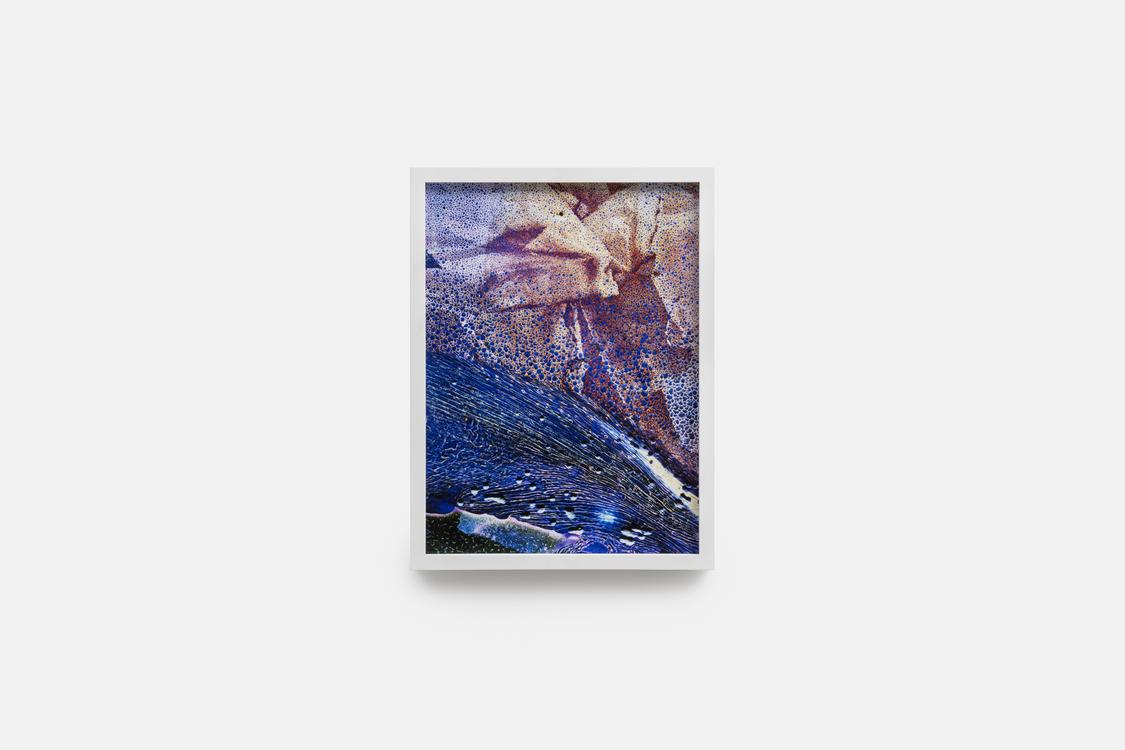
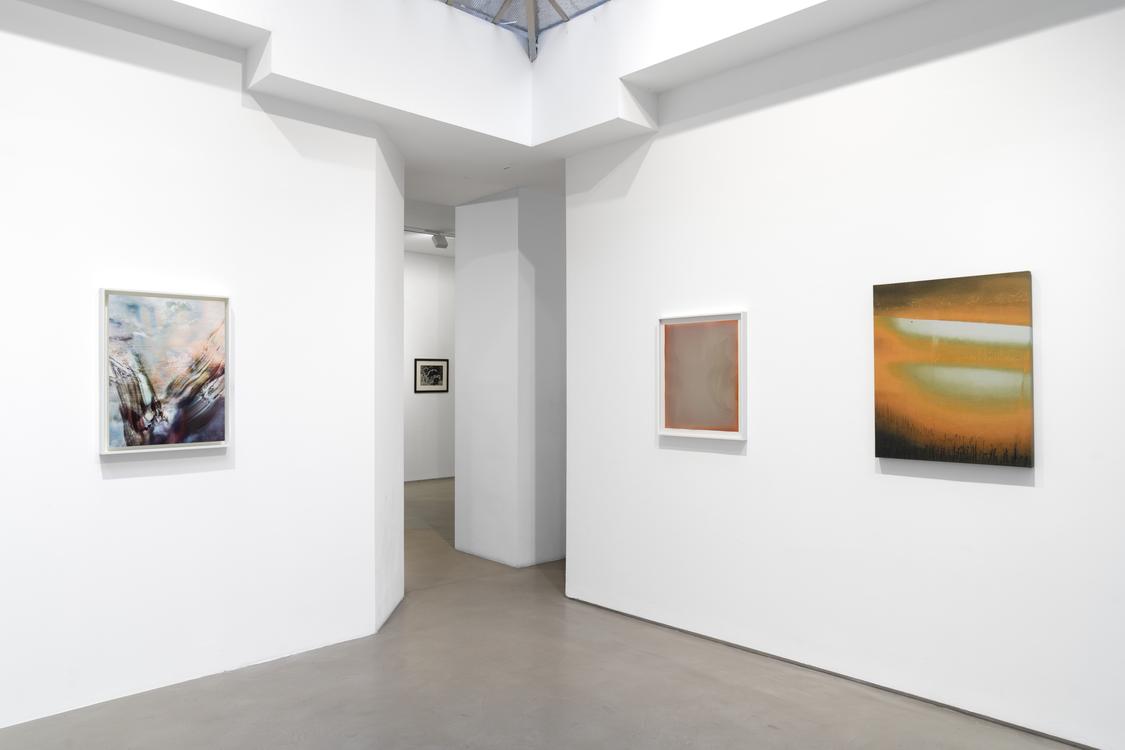
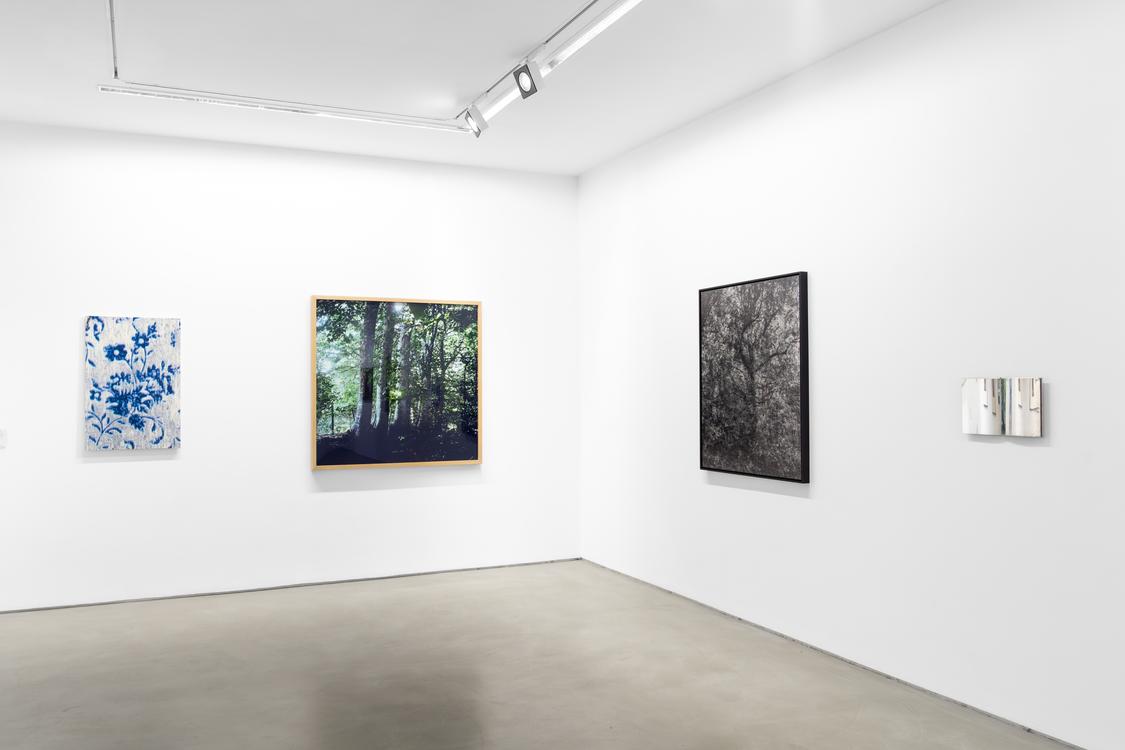
With Eugène Cuvelier, Nat Faulkner, Wade Guyton, Capitaine Louvel, Jean-Luc Moulène, Melik Ohanian, Martin d’Orgeval, Gabriel Orozco, Anri Sala, Takeshi Shikama, José María Sicilia, Laure Tiberghien, Wolfgang Tillmans, Raoul Ubac, Danh Vo, Daisuke Yokota.
Curated by Jonas Tebib.
—
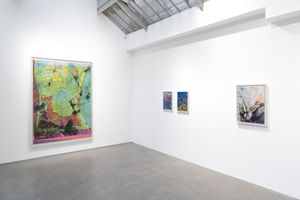
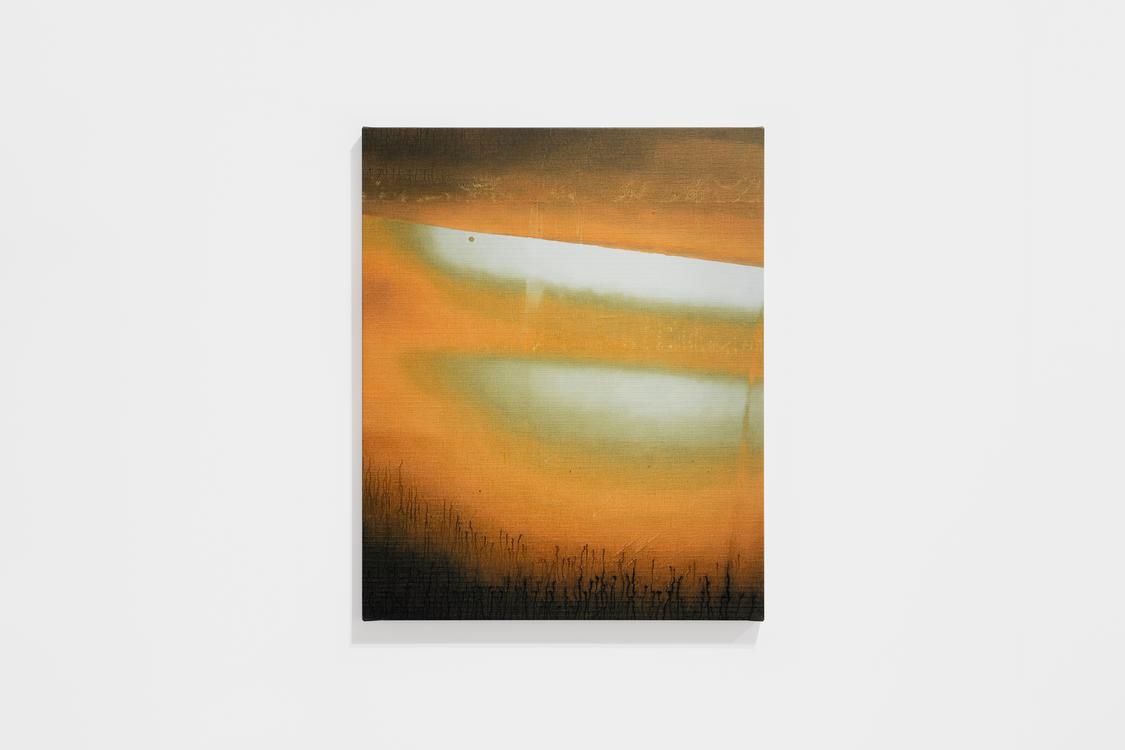
An image appears. One might think it was painted, photographed, printed, or simply found there. It is not always easy to tell if light, the human hand, or a machine brought it into being.
Photography has long been associated with the idea of an imprint of reality. Yet, ever since its earliest experiments, it has continually produced images that stray from this promise of likeness. Painting, for its part, has readily borrowed from reproduction techniques—adopting their gestures, their accidents, and their possibilities.
Between the two, exchanges are constant and boundaries are fluid. A photosensitive surface becomes a space for abstraction. A printer takes serves as a paintbrush. An ancient process finds unexpected relevance. A negative, a metal plate, or a sheet of paper become artworks in their own right.
The works brought together in the exhibition Après Nature span different eras and practices. Some were created nearly two centuries apart. Yet they share a common freedom from the categories to which one might wish to assign them.
What brings them together does not necessarily lie in what they depict, nor even in how they were created. Perhaps it lies more in that zone of uncertainty where an image ceases to be merely a reproduction of something, and becomes a thing in itself. Après Nature borrows its title from the vocabulary of painting, while simultaneously shifting its meaning. It is no longer simply about working d’après nature, from nature, but about considering what comes after: the image as a trace, as a transformation, as a new reality.
Light, time, chemical reactions, the humand hand, and machines each play their part. Yet the result is never entirely reducible to the process that made it possible.
What remains is what we see. And what we think we see.
—
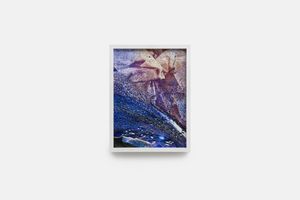
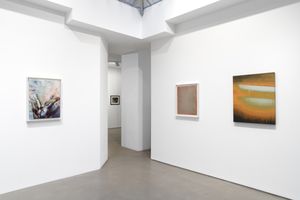
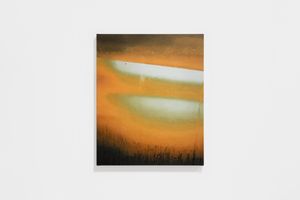
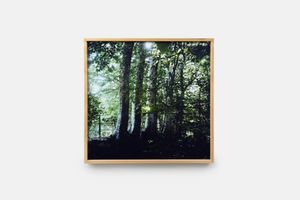
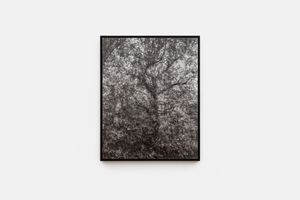
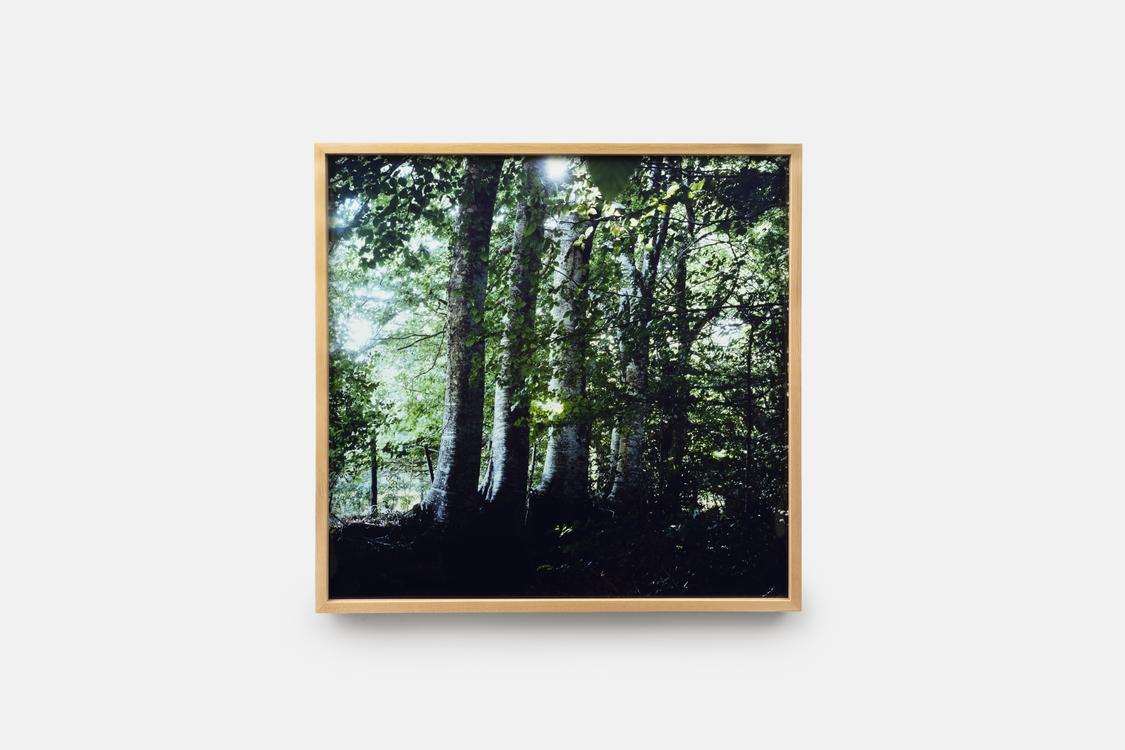
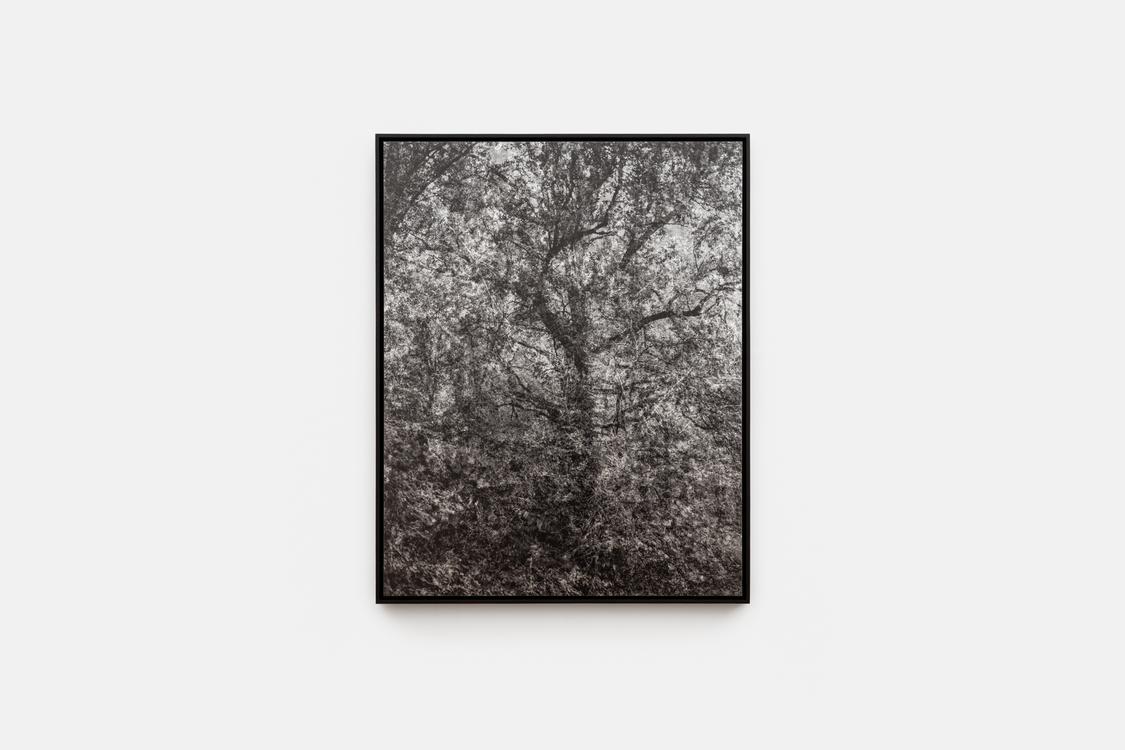
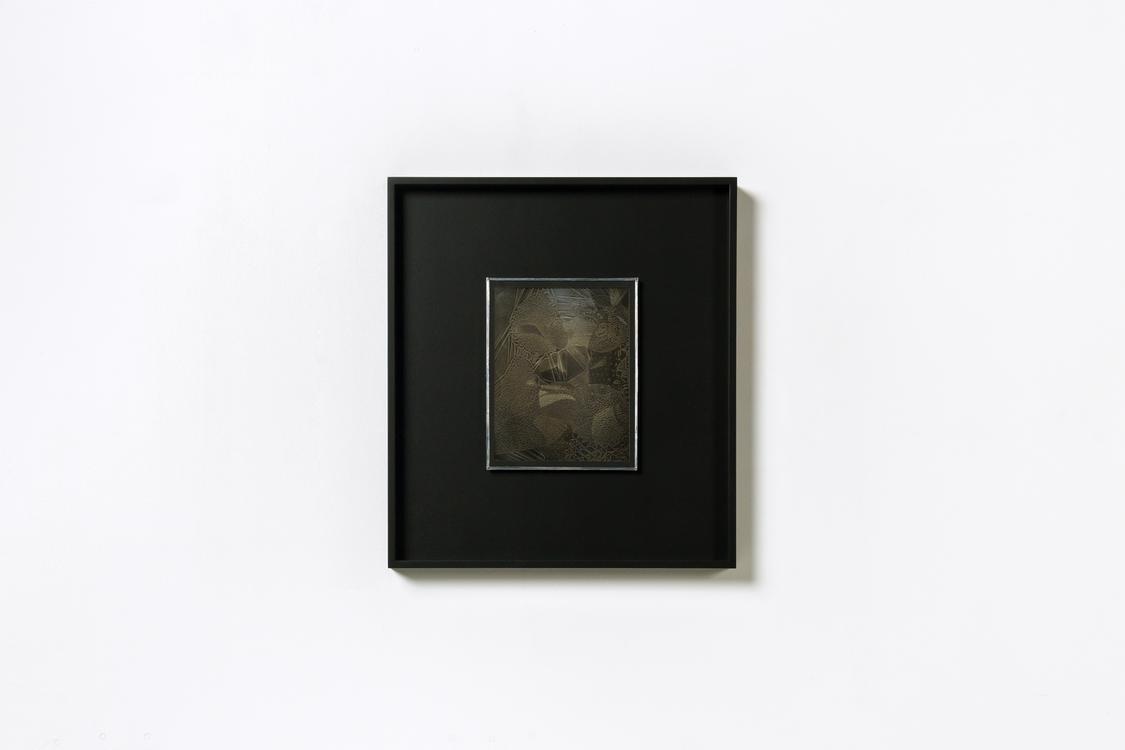
Looking beyond the distinctions between mediums, Après Nature explores what brings an image into being, whether it be light, time, matter, gesture, or the machine. From the landscapes of Eugène Cuvelier and Takeshi Shikama to the trees of Jean-Luc Moulène and the Chronographies of Melik Ohanian, nature appears at times as a subject of observation, and at others as a presence shaped by time and memory. In Danh Vo’s work, the image of the landscape becomes a site where history is reinterpreted, while Gabriel Orozco’s work reveals nature’s forms and motifs even in the most ordinary objects. Wolfgang Tillmans’ and Laure Tiberghien’s experimenations free photography from any requirement for representation, allowing light and color to create their own forms. Through the daguerreotype, José María Sicilia gives visual form to birdsongs while Martin d'Orgeval uses this same process as a surface to capture imprints of the body. Nearly two centuries earlier, Captain Louvel’s paper negative serves as a reminder that the uncanny nature of the photographic image was inherent to photography from the start.
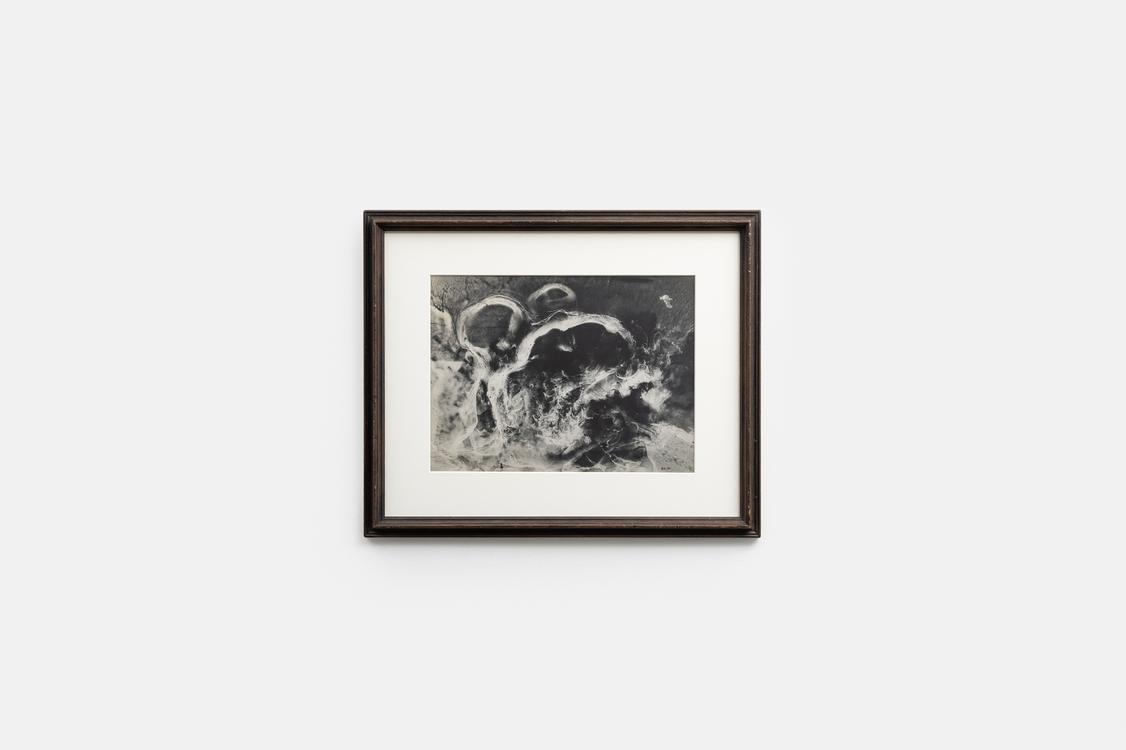
Other works extend these questions into the realms of reproduction, alteration, and transformation. In the work of Raoul Ubac and Daisuke Yokota, photography breaks down under the influence of physical and chemical manipulations, eventually taking on the appearance of a painting. Through the use of the printer, Wade Guyton produces unique pictorial surfaces, while Anri Sala shapes digital drawing into a realm of uncertainty between the photographic image and abstract composition. In Lydia Ourahmane’s work, negatives and contact sheets become integral elements of the artwork, shedding light on what usually remains invisible in the making of an image. Joseph Beuys transfers photography onto canvas, while Nat Faulkner transforms silver recovered from X-rays into reflective metal sheets that gradually record the traces of their environment.
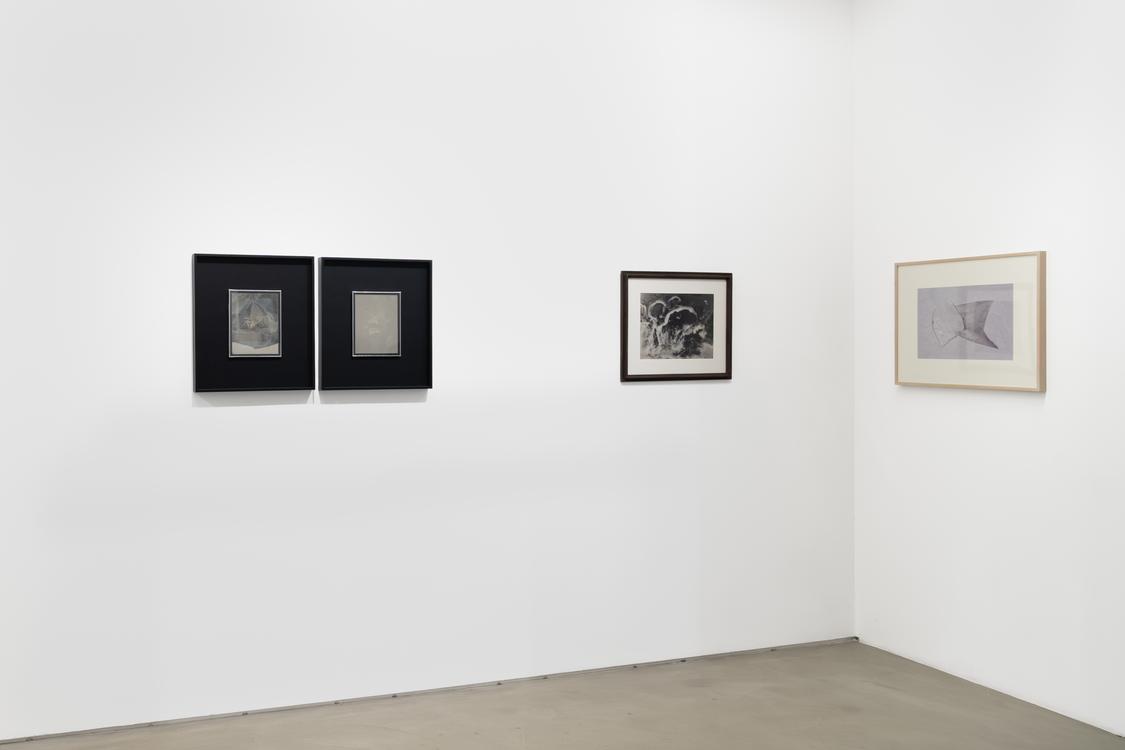
Selected views