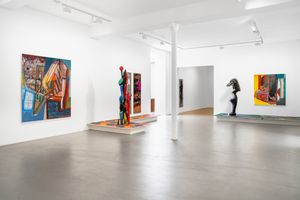
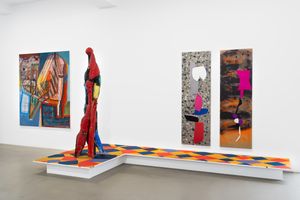
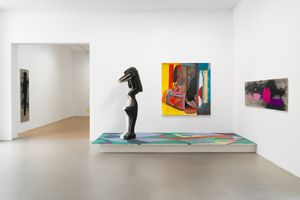
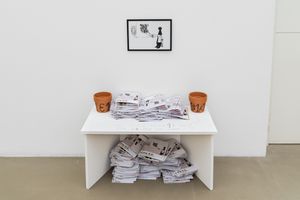
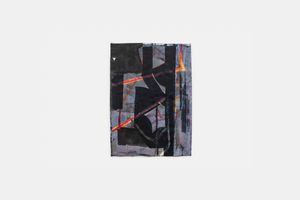
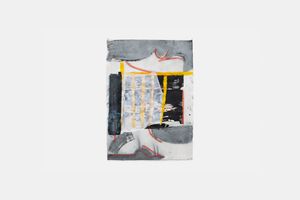
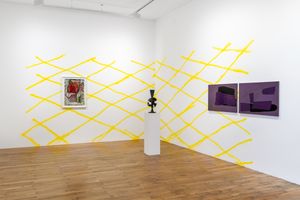
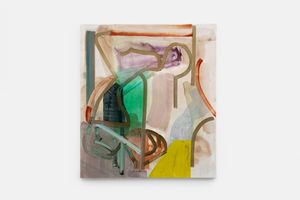
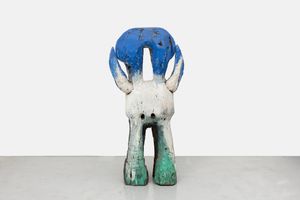
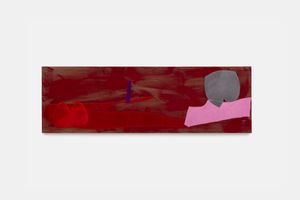
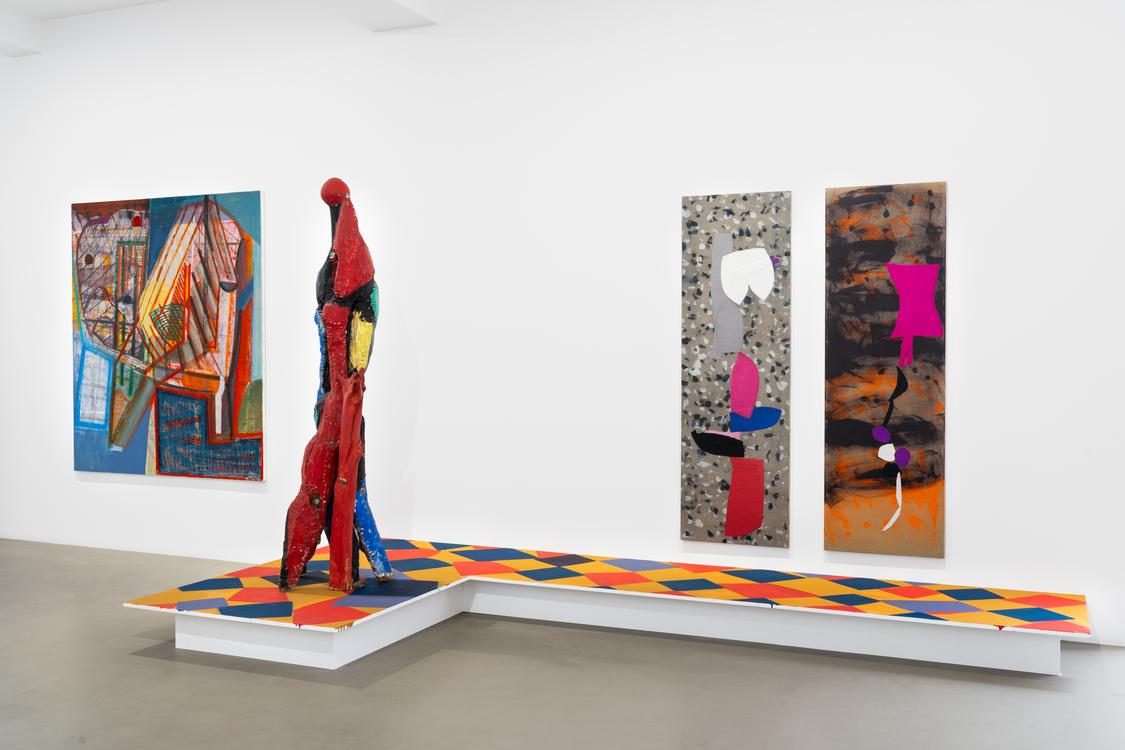
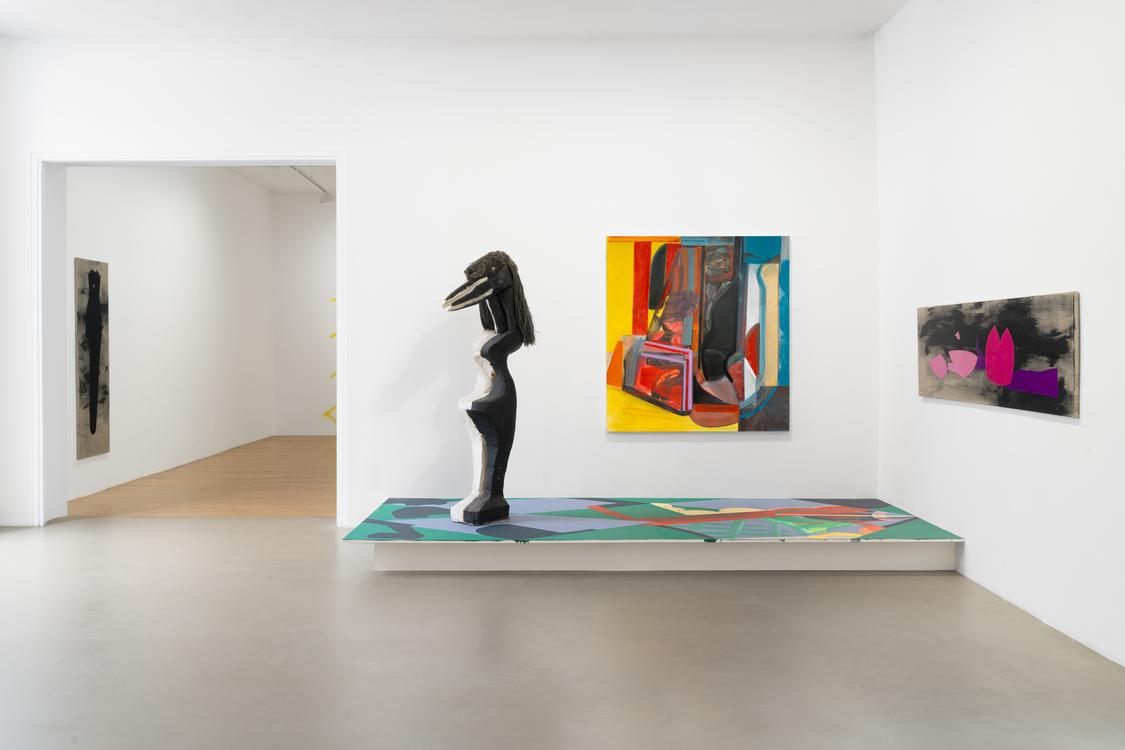
The Harlequin’s Dog brings into dialogue the work of Amy Sillman, Clément Rodzielski, and Étienne-Martin, drawing on the figure of Harlequin as an unstable structure defined by fragmentation, the shifting of roles, and the multiplication of identities.
Across the three artists, each practice unfolds not through linear development but through displacement, assemblage, and reconfiguration. This logic produces forms in which figural identity remains unpredictable, continually interlacing between figuration, abstraction, and theatricality.
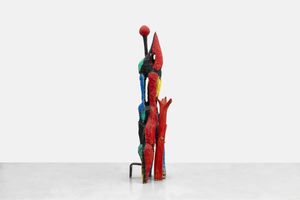
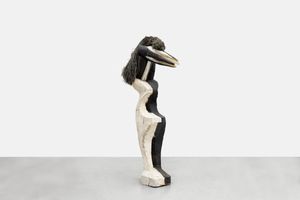
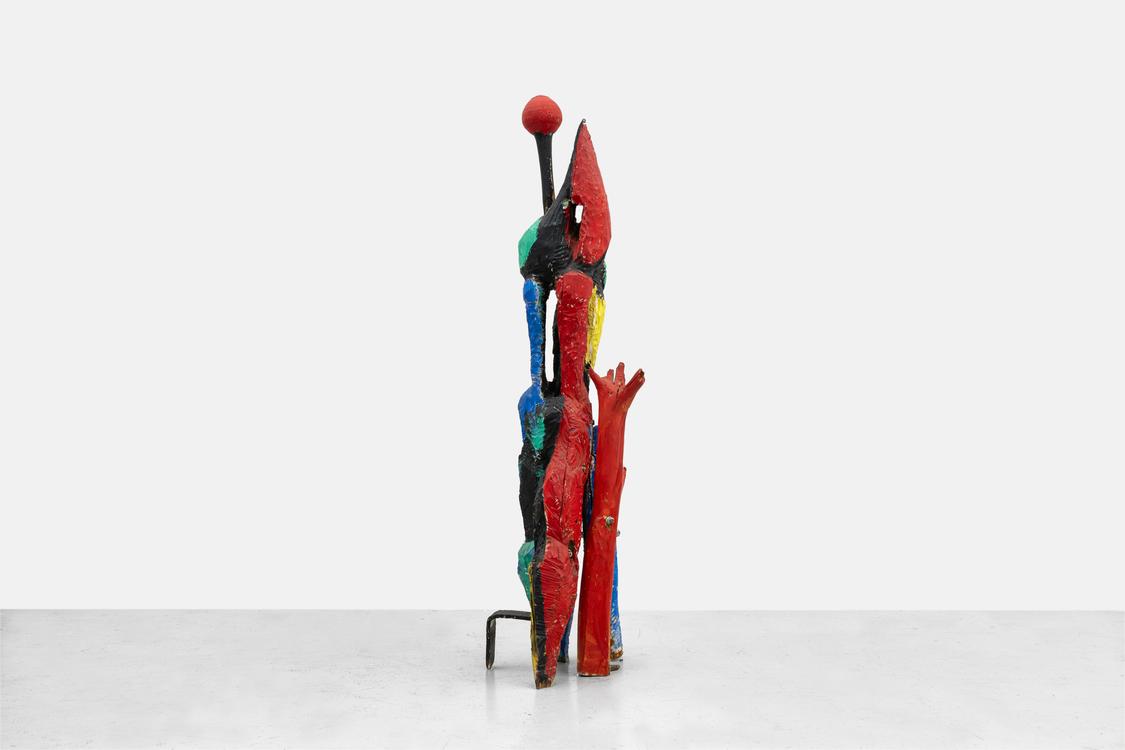
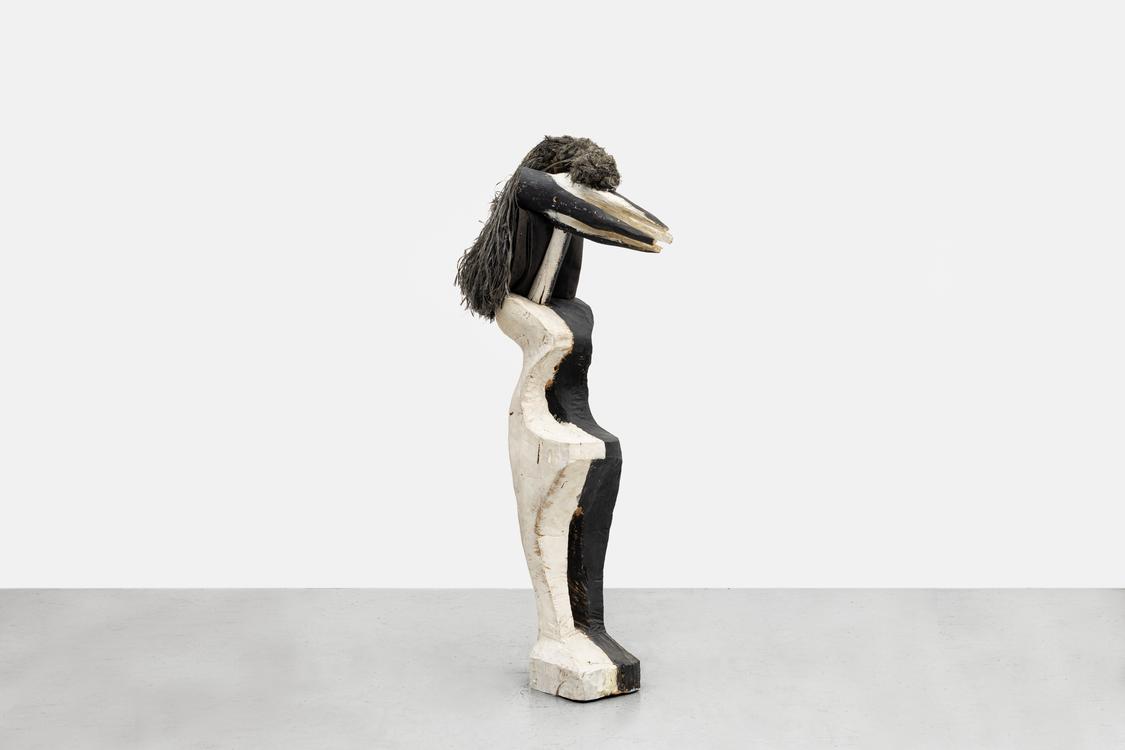
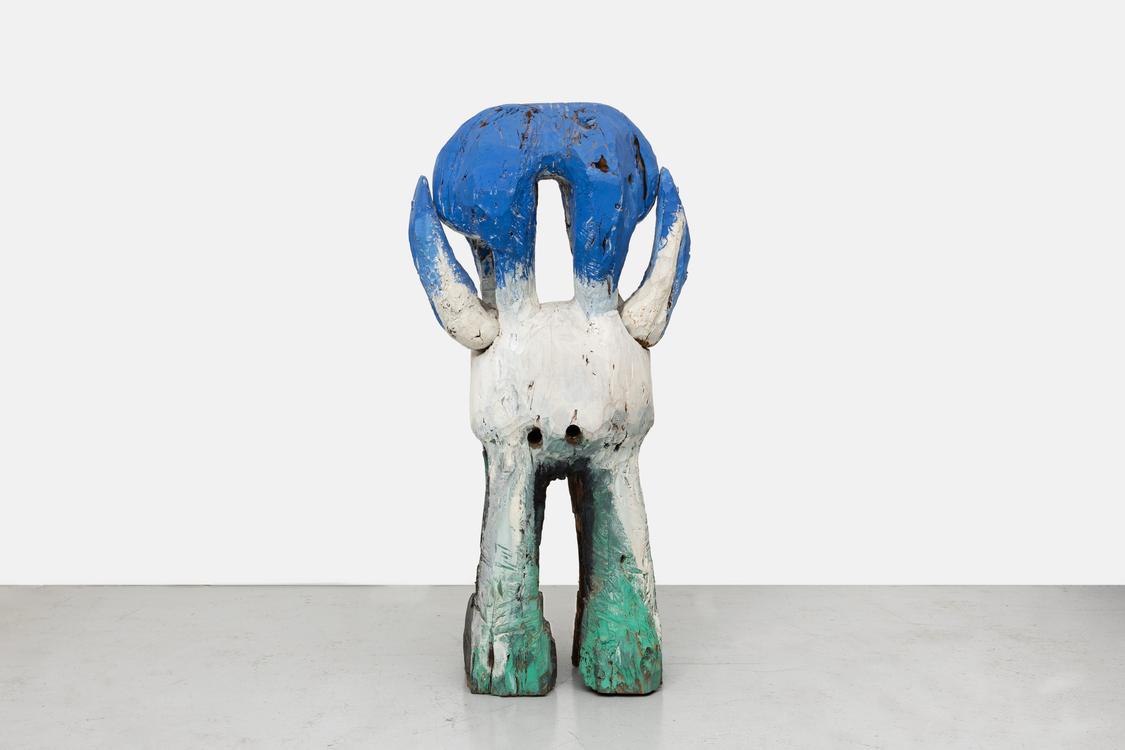
The title emerges from a set of cross-references: Étienne-Martin’s sculpture Arlequin ou Novalis, made towards the end of his life, and the marginal, almost indiscernible presence of a dog hidden behind a figure dressed as Harlequin in Pablo Picasso’s Three Musicians (1921). These elements function as indices of a construction of the image in which the relations between centre and periphery, figure and background, color and form, and even animal and human, are no longer hierarchically organized. For Étienne-Martin, this involves questioning sculpture as a stable, finished, and autonomous object; for Picasso, a rethinking of hierarchies within the composition itself—both participating in a broader shift in the conditions under which images become legible.
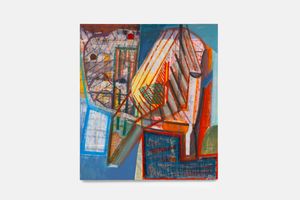
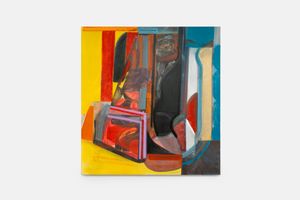
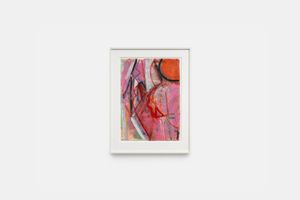
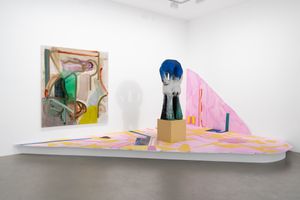
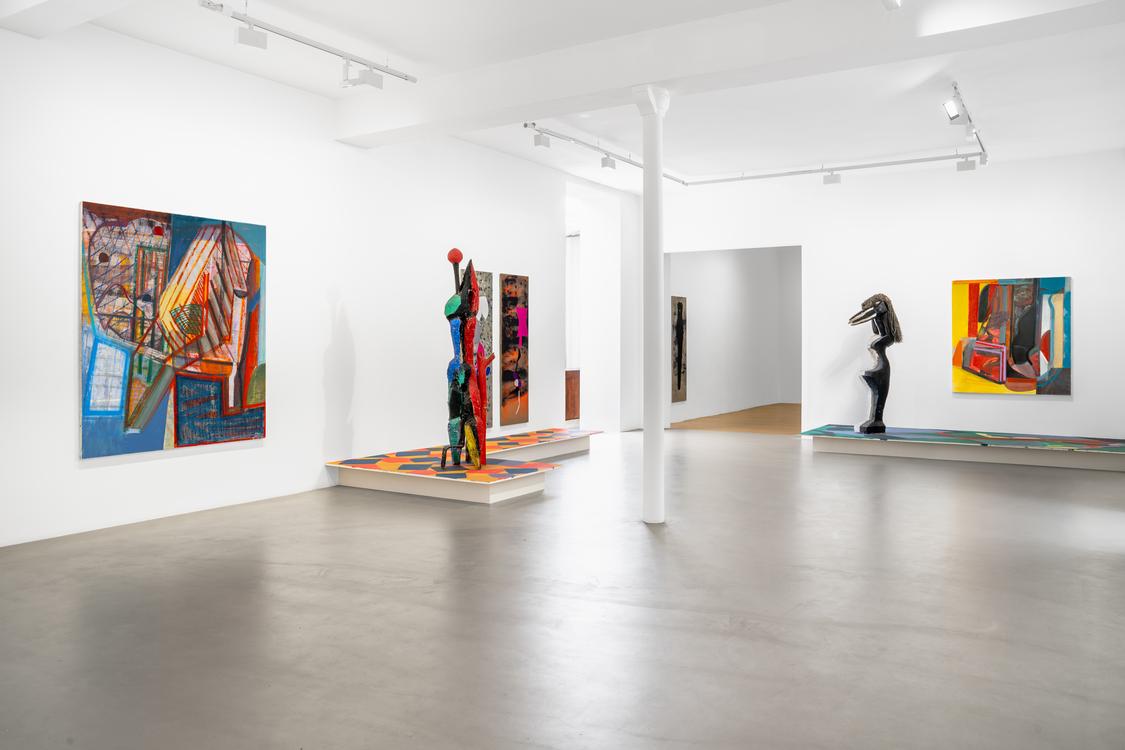
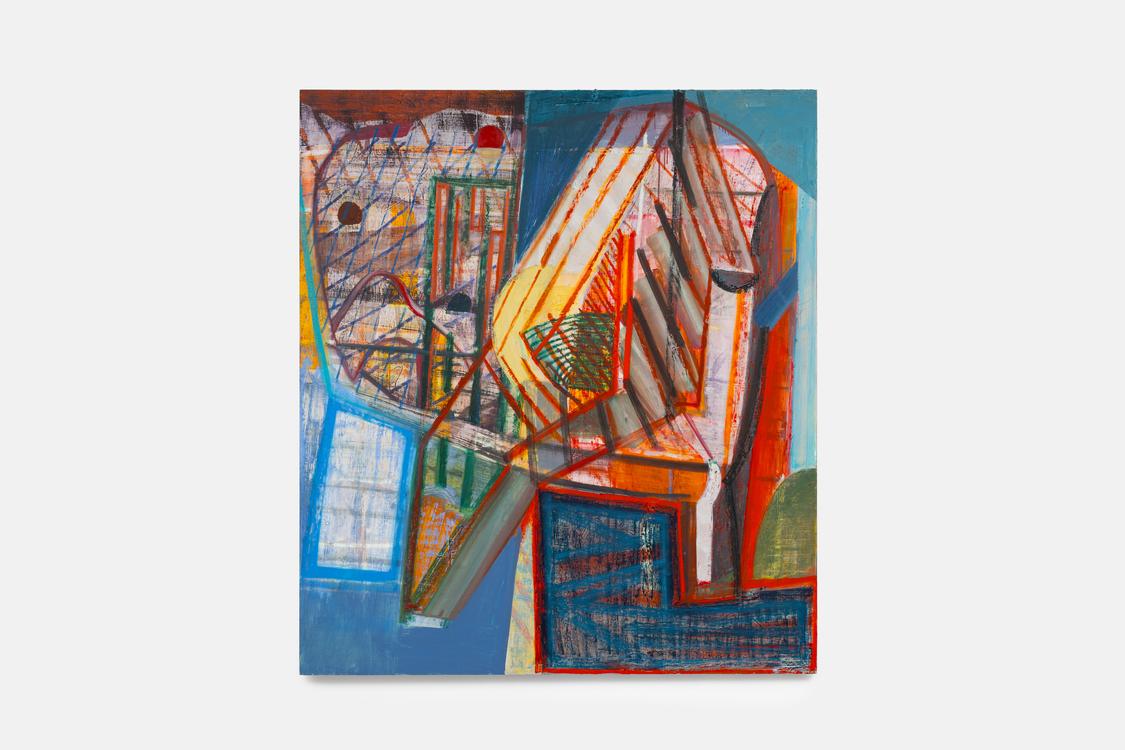
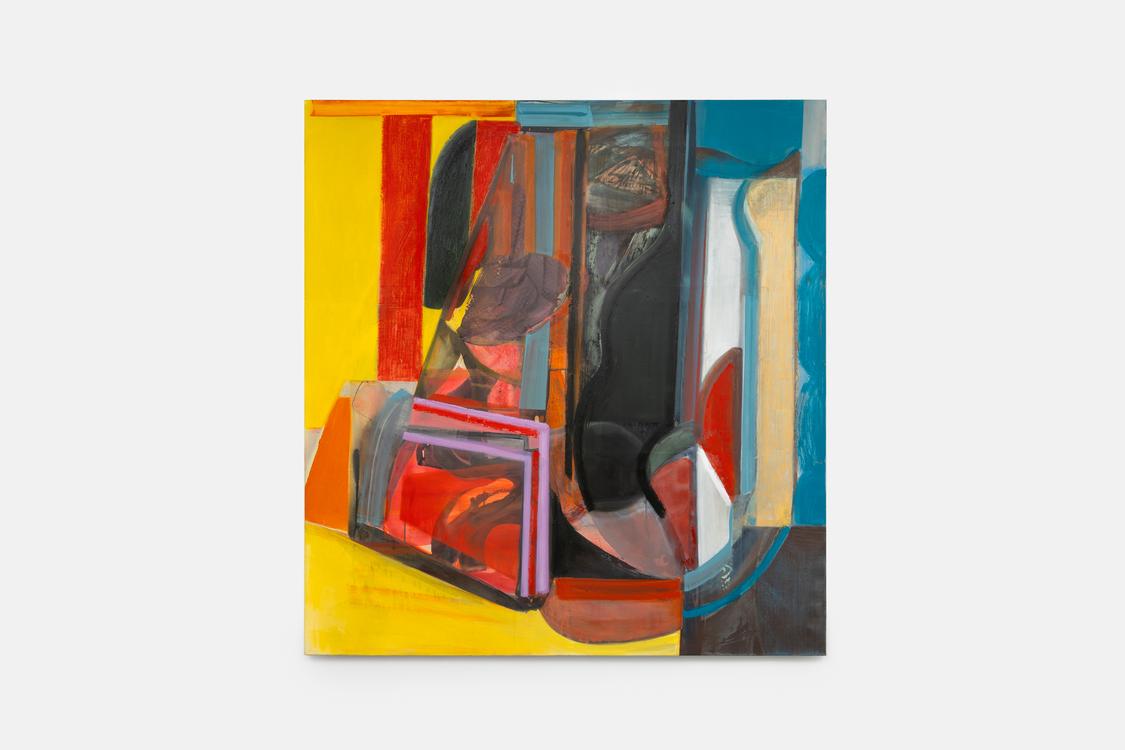
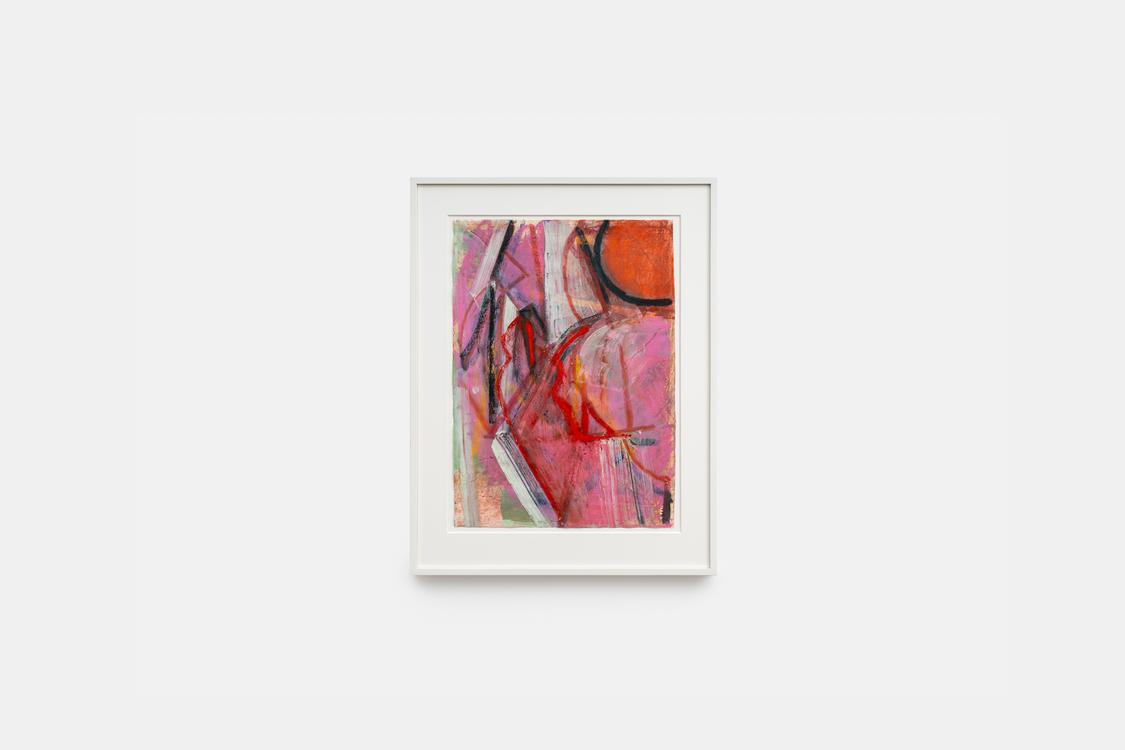
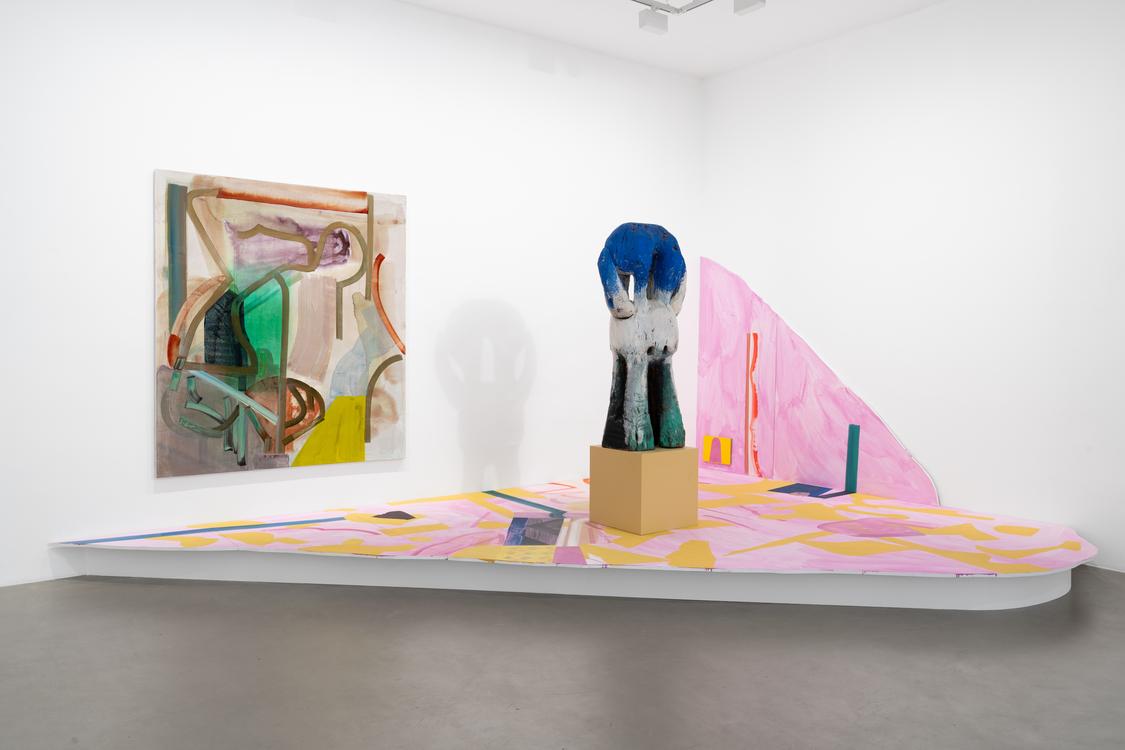
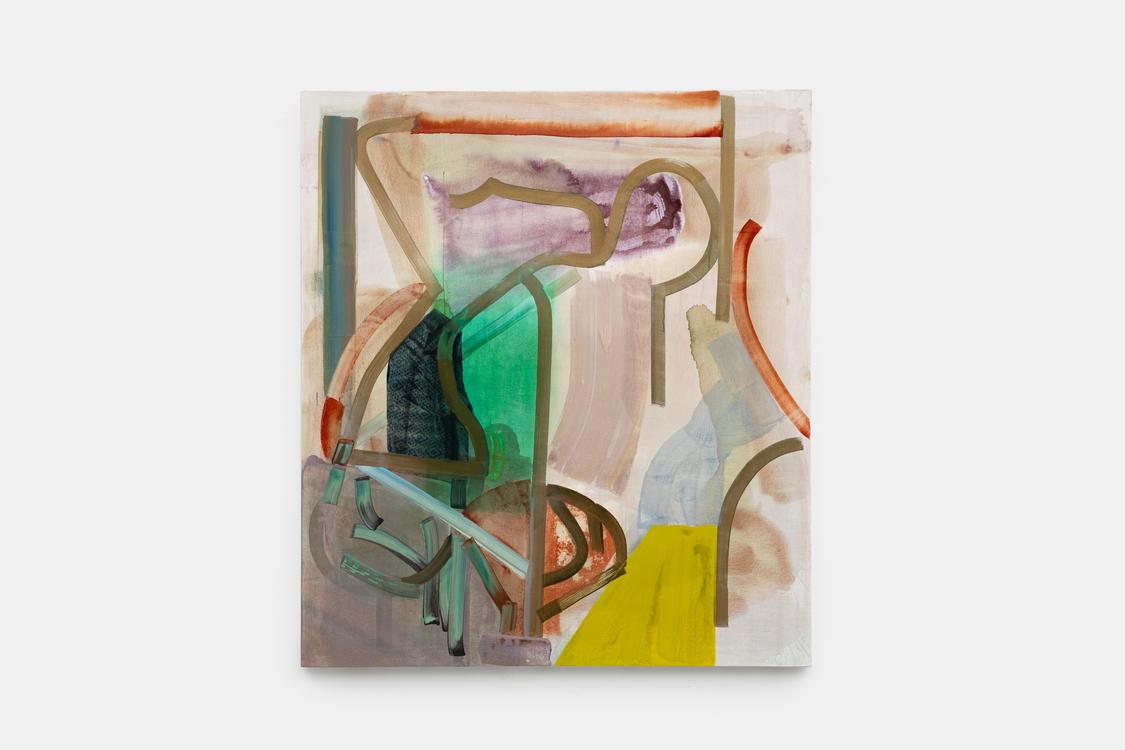
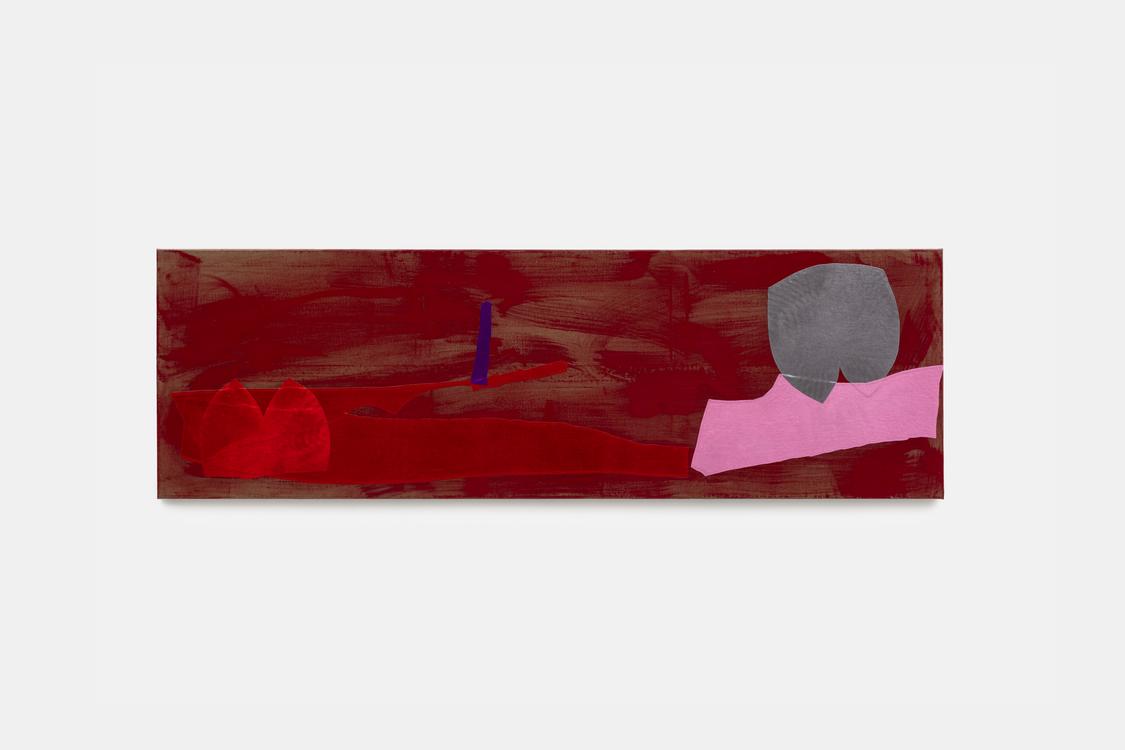
In a similar way, Amy Sillman’s paintings are built through layering, erasure, and revision, often leaving visible traces of doubt and transformation on the surface. The artist has described painting as a form of “thinking in public,” where mistakes and revisions are constitutive of the process rather than concealed. Sillman articulates figuration and abstraction in unstable compositions that resist fixed meaning, traversed by humour and a psychological tension that challenge the somber manner traditionally associated with modernist abstraction. For this exhibition, Sillman has proposed small stages as the grounds for the “figures” that the various works embody.
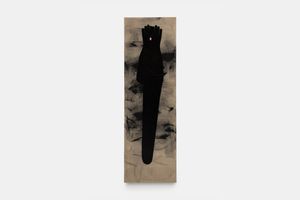
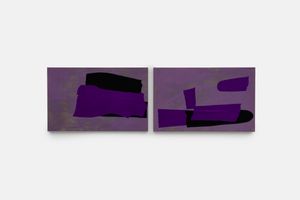
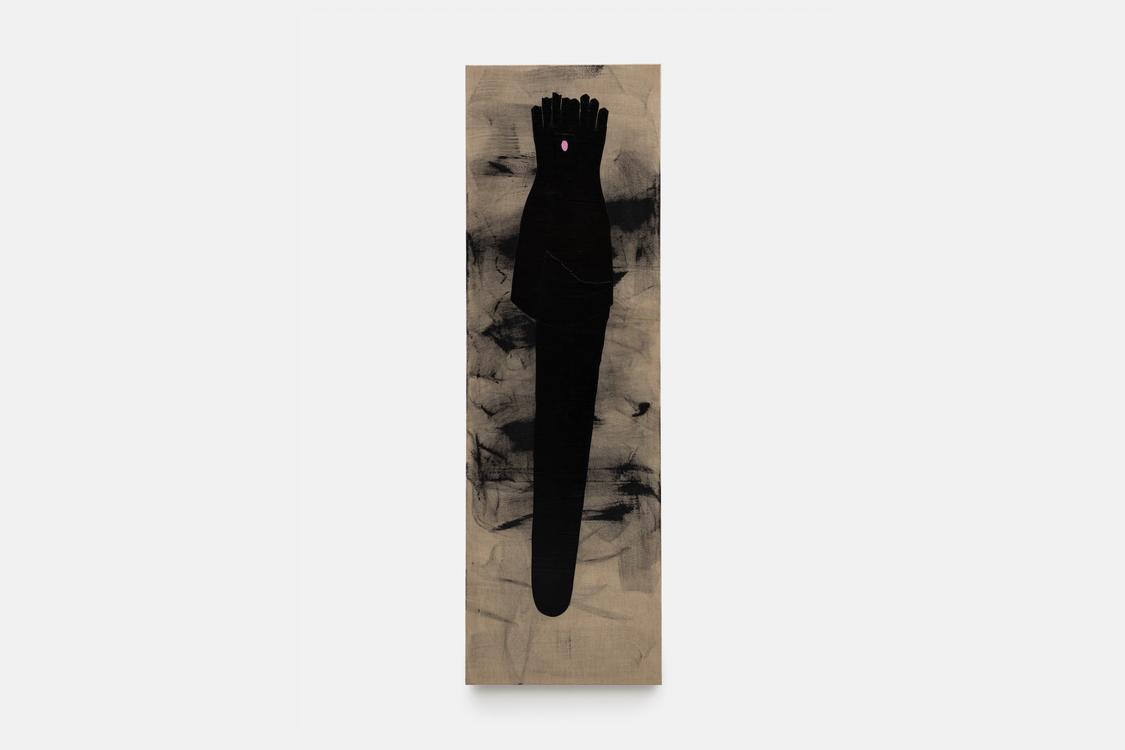
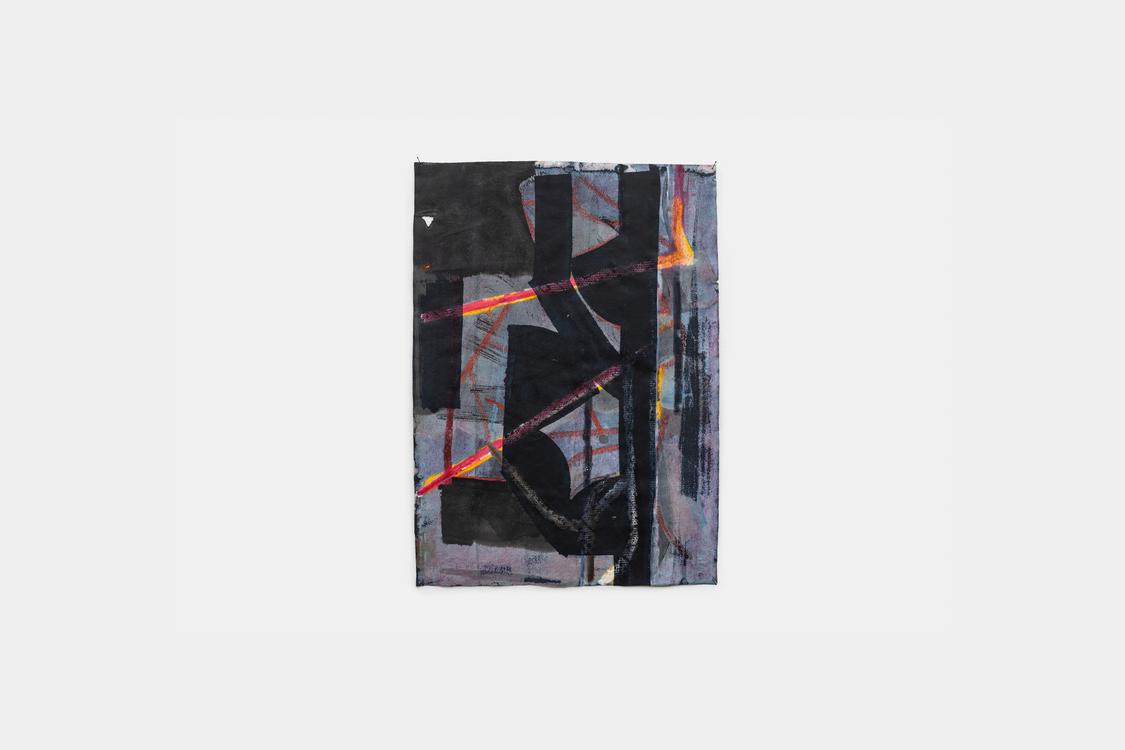
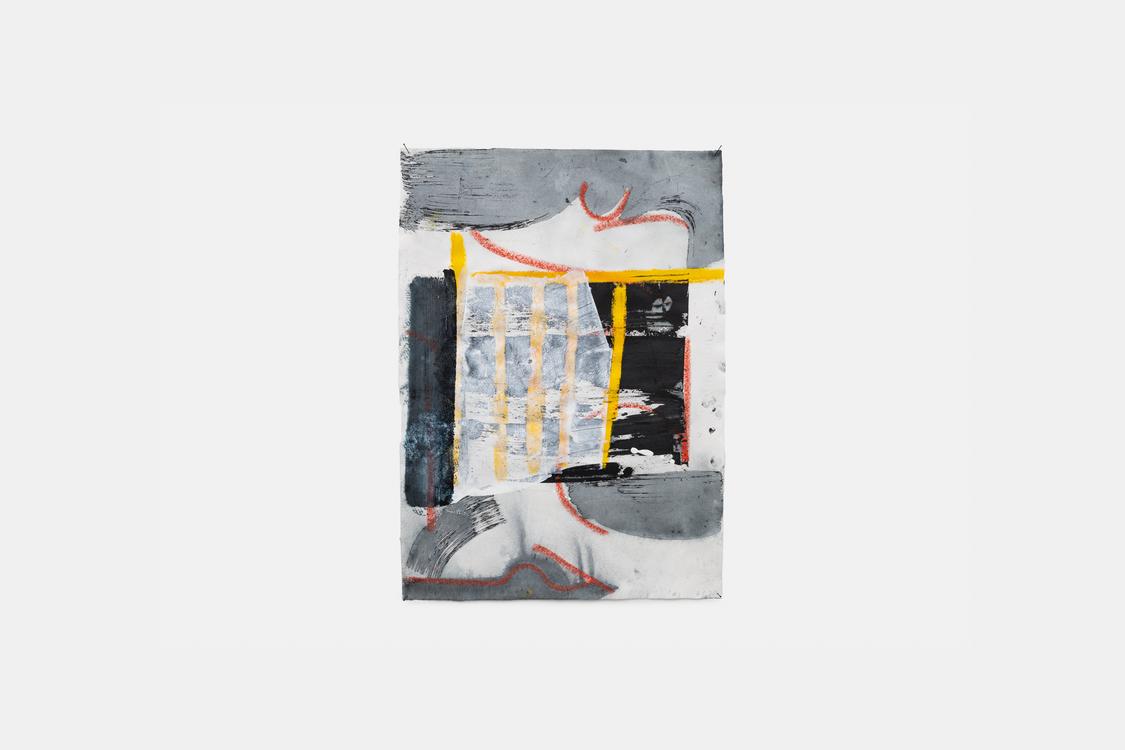
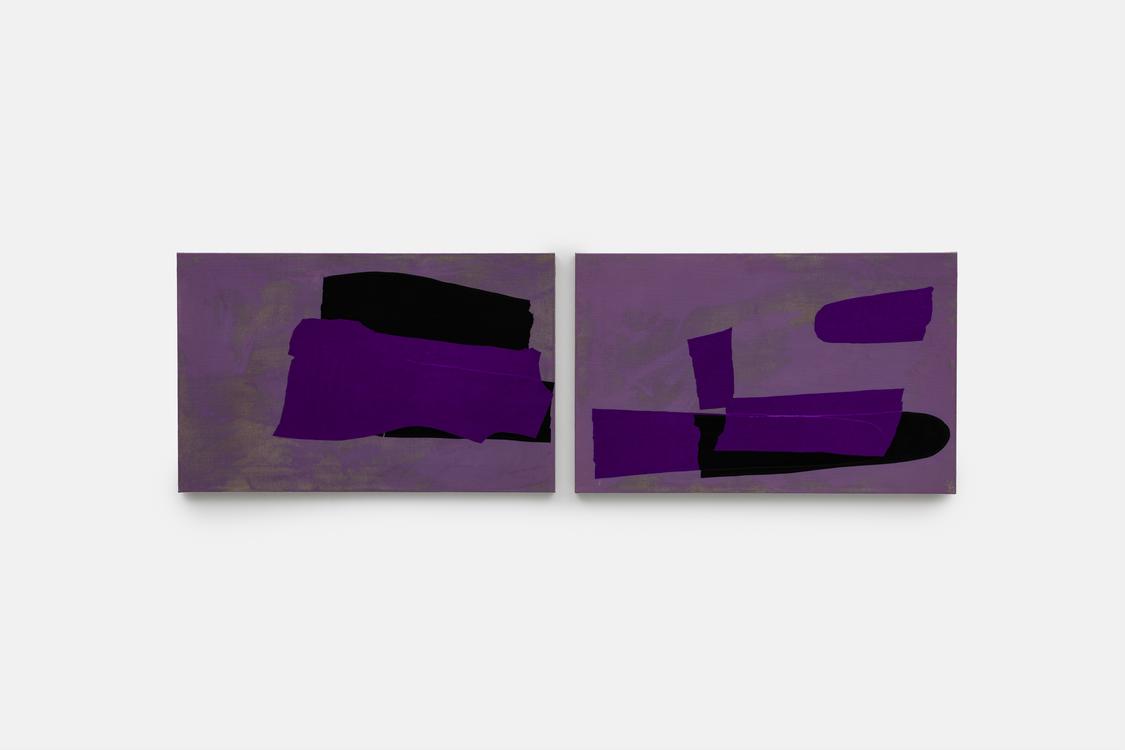
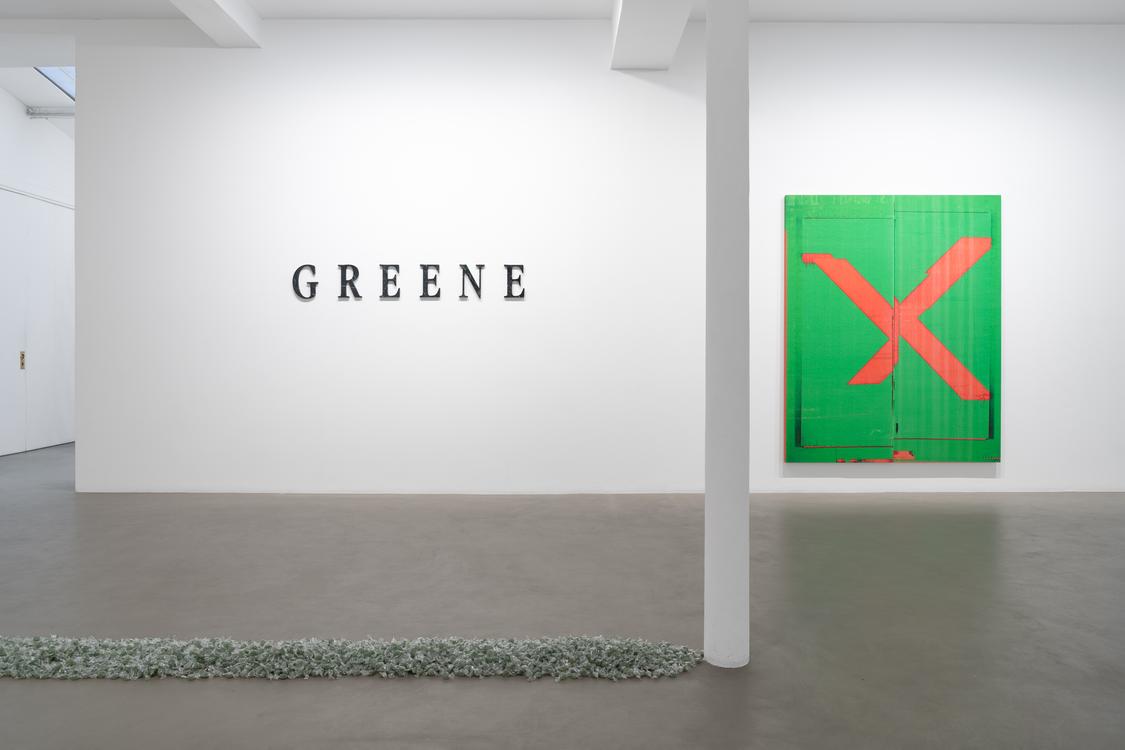
Since the beginning of his practice, Clément Rodzielski has developed several series initiated from diverse objects, each giving rise to distinct ways of painting. His most recent series is titled UZTITLED. The “N” has been replaced by the “Z” of zentai—Japanese full-body garments originating in performative and fetishistic practices, which envelop the body like a second skin and allow one to surrender to color. They constitute the primary material of these new paintings. Like painting itself, they share the same fetishization of the surface.
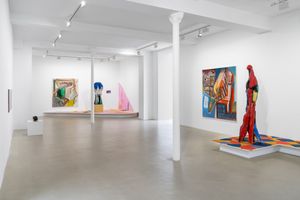
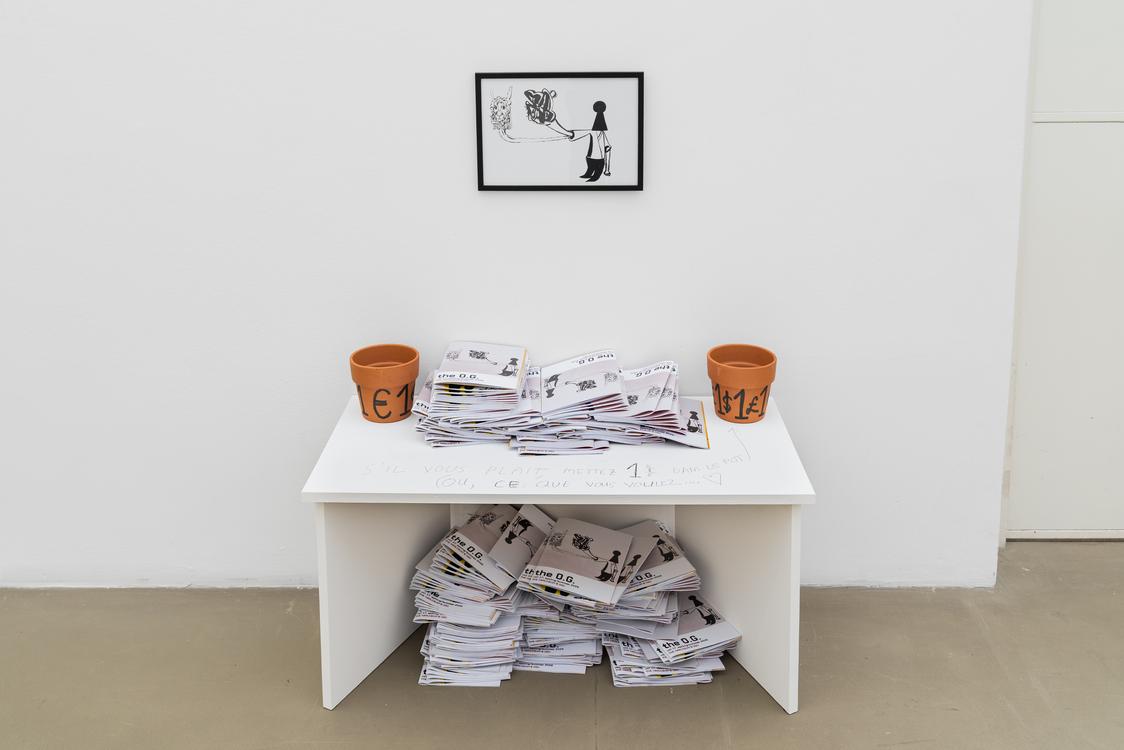
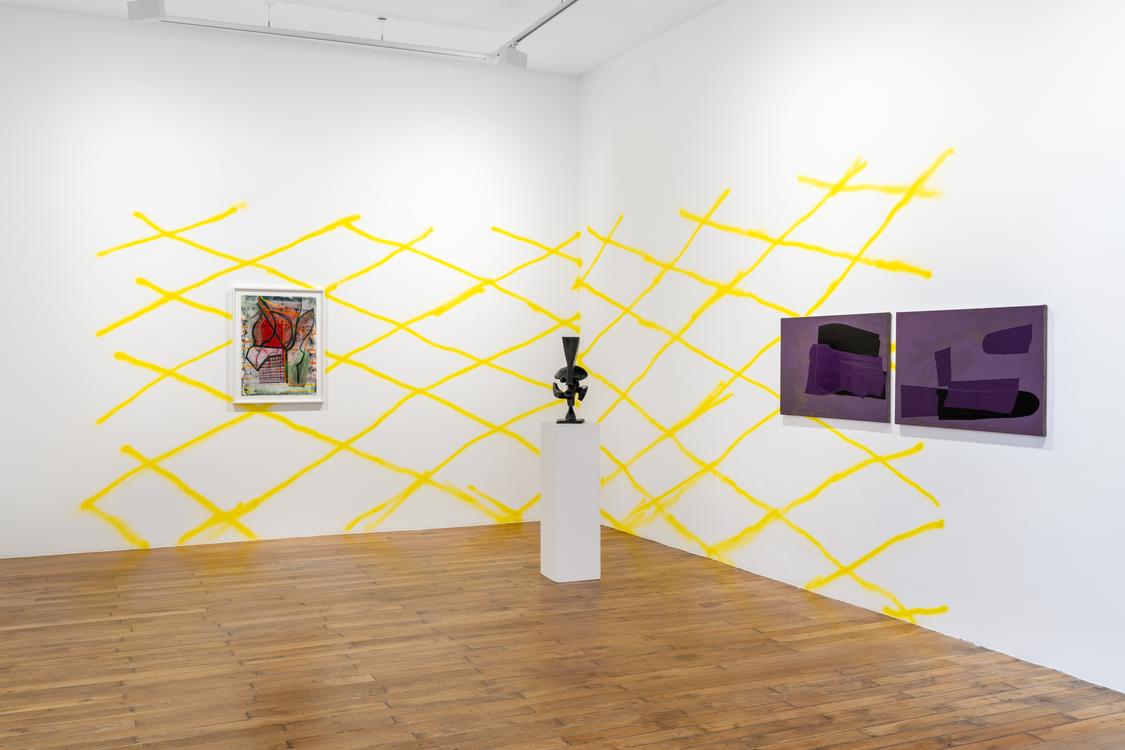
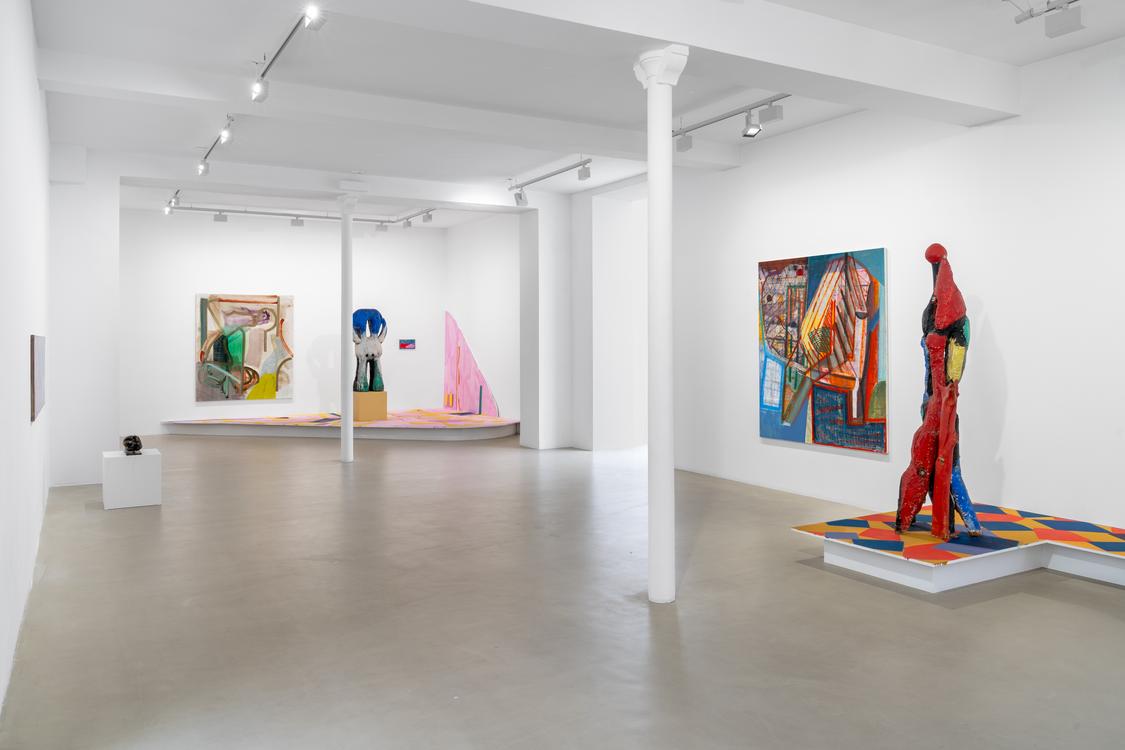
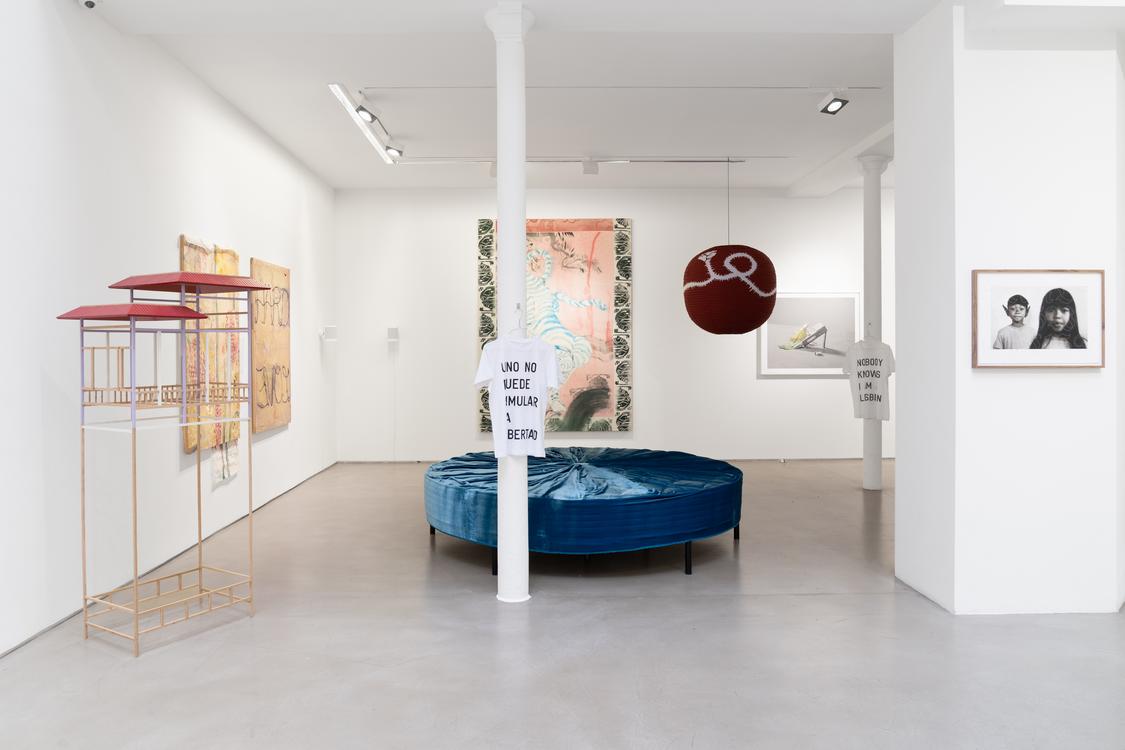
The exhibition thus focuses on zones of destabilization within representation: color as a primary logic, silhouettes, iterative repetitions, peripheral elements, and oblique gestures, not to mention the actual “staging” of artworks, which shift the reading of images towards processes of montage and disjunction. It engages with the contemporary status of representation, especially when marked by a sense of animation and humor that can be produced when forms are continuously recirculated and reconfigured.
Selected views