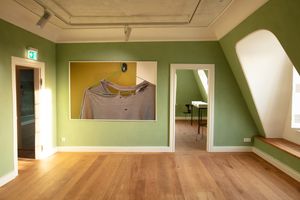
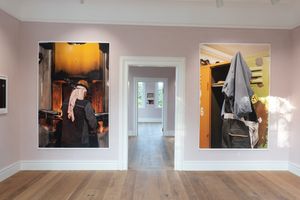
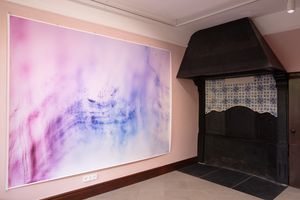
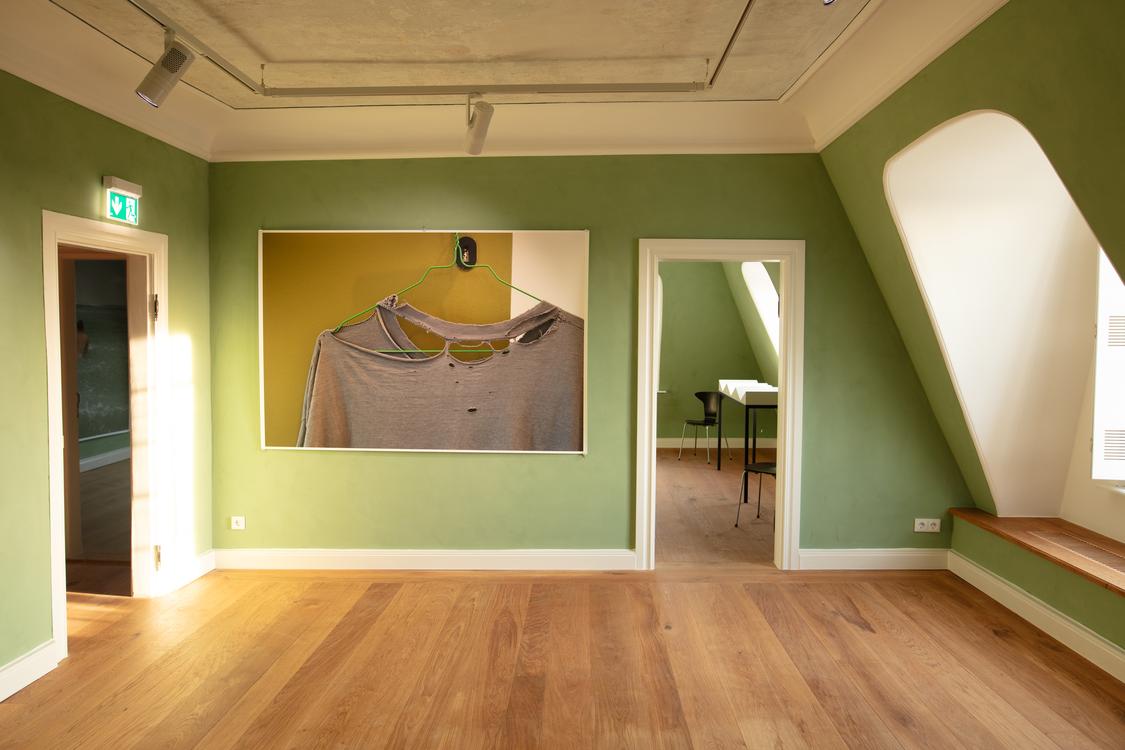
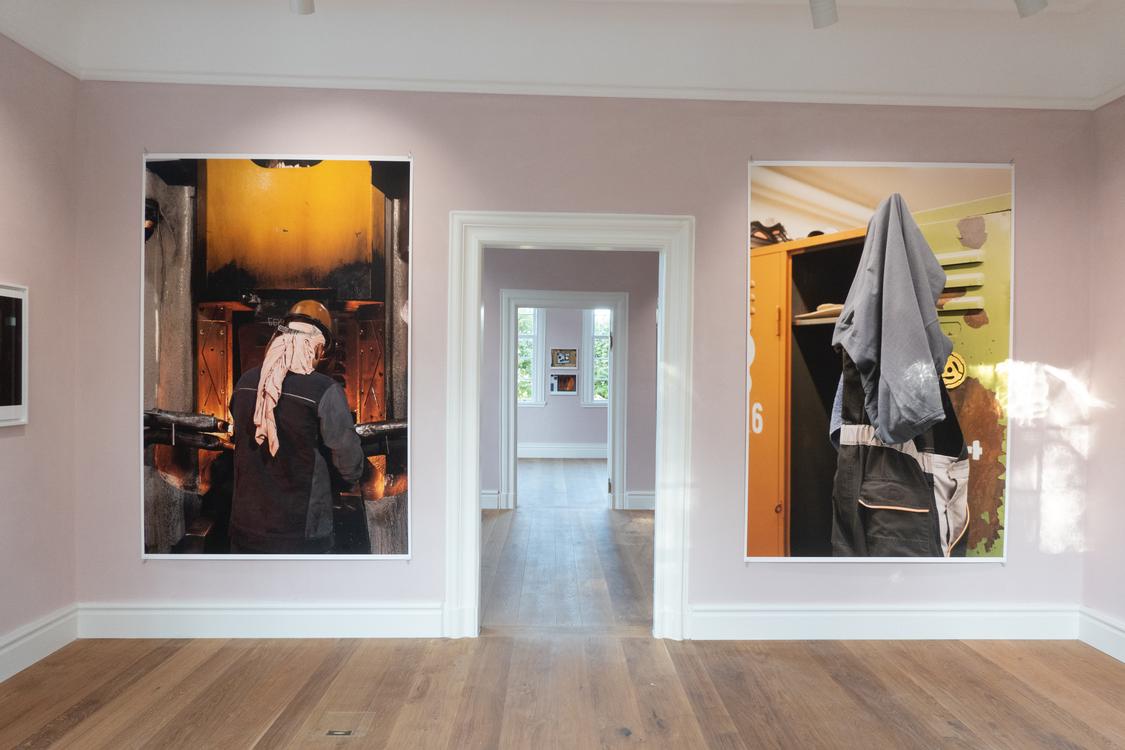
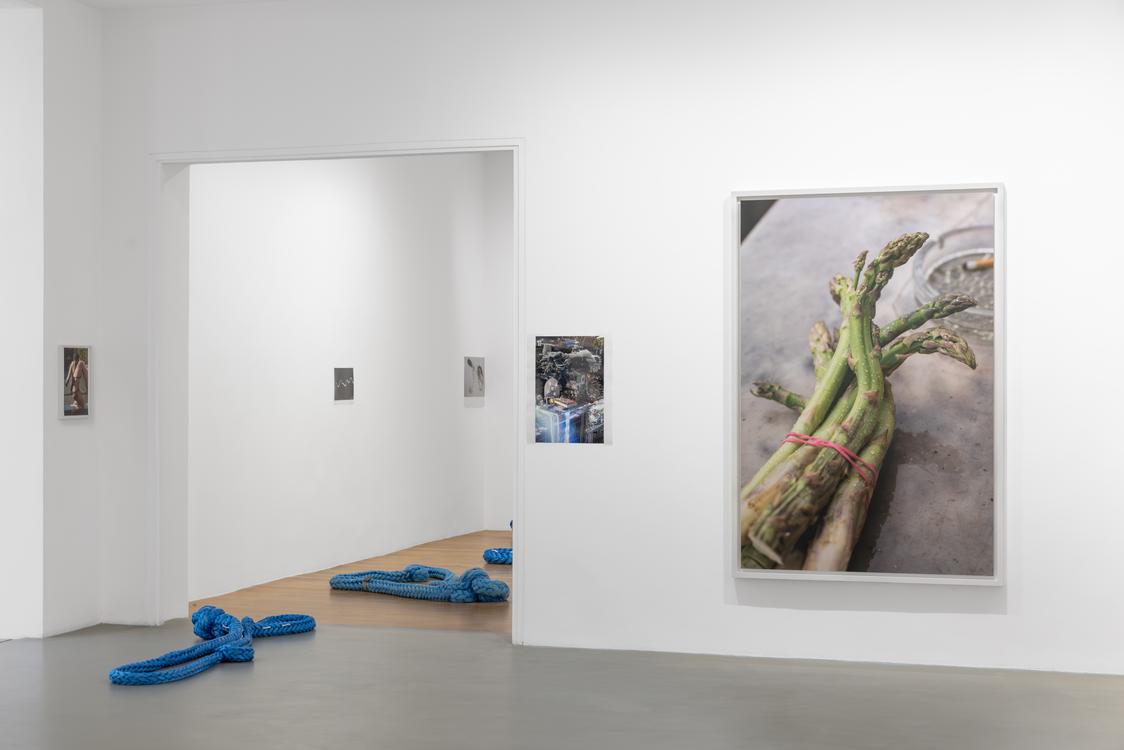
Starting on April 13, 2025, Wolfgang Tillmans (*1968, Remscheid) presents a major exhibition at Haus Cleff, covering 600 square meters, in his hometown of Remscheid. The year 2025 will be marked by significant projects by the artist, including at the Albertinum in Dresden (from March 8, 2025) and at the Centre Pompidou in Paris (from June 13, 2025). The exhibition in Remscheid, rooted in the history and biographical ties Tillmans maintains with this place, offers a new perspective on his artistic work. It takes the form of an encompassing installation combining photographs and videos across 30 rooms on three floors. This exhibition also marks the reopening of the museum after more than ten years of renovation.
Haus Cleff, an emblematic bourgeois residence in Remscheid, has a rich and eventful history. Built by the Hilger brothers in 1778/79, this twin house served both as a residence and as commercial offices, reflecting the prosperity and family organization typical of the local iron industry. While one brother sold their products around the world, the other managed local trade and supply operations.
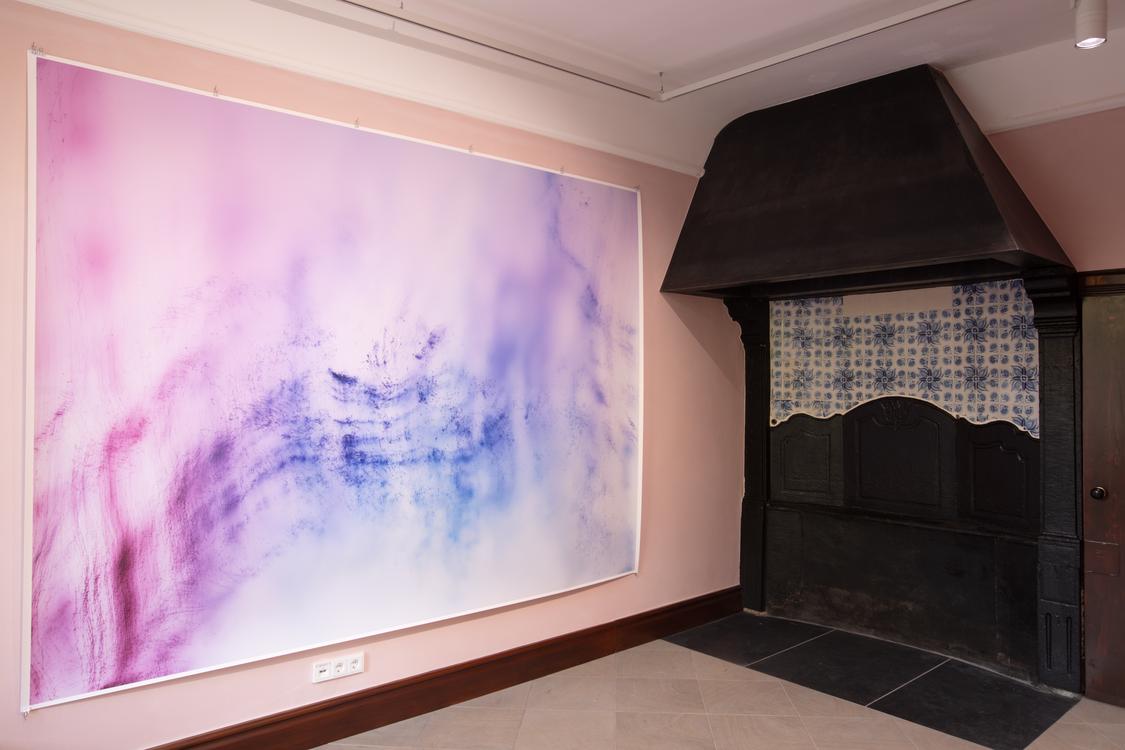
From the noble floor of this imposing mansion located on the “Hasten” hill, one can admire, through the delicate rococo windows, a sweeping view over the valley. The architecture thus embodies the economic power of its owners: tool producers based in the valley had to climb the hill to negotiate with merchants like the Hilgers. The coats of arms of Russia and the Netherlands on the main doors proudly evoke the family’s international trade partnerships. Inside, the Delft tiles decorated with the owners’ initials and the private well were, already in the 18th century, luxuries reserved for an elite.
During the Napoleonic era, Mayor Heinrich Sonntag occupied the residence, where the recently restored historical colors now allow visitors to imagine the original functions of the salons. In 1847, the Cleff brothers purchased the house and added offices and production workshops as industrialization progressed. Acquired in 1927 by the City of Remscheid, it became a local museum. A renovated space under the roof still bears witness to that period. After its reopening, Haus Cleff now becomes the second museum of the historical complex of the German Tool Museum (Deutsches Werkzeugmuseum).
Wolfgang Tillmans closely followed the building’s restoration, carried out according to principles of sustainability and adapted to the needs of a modern museum. His installation captures traces of this architectural history and connects them to his own origins: although based first in London and then in Berlin, he has remained deeply attached to his hometown. His works interact with the building’s architecture and the local industrial history, offering a unique experience where past, present, and future merge into a new narrative.
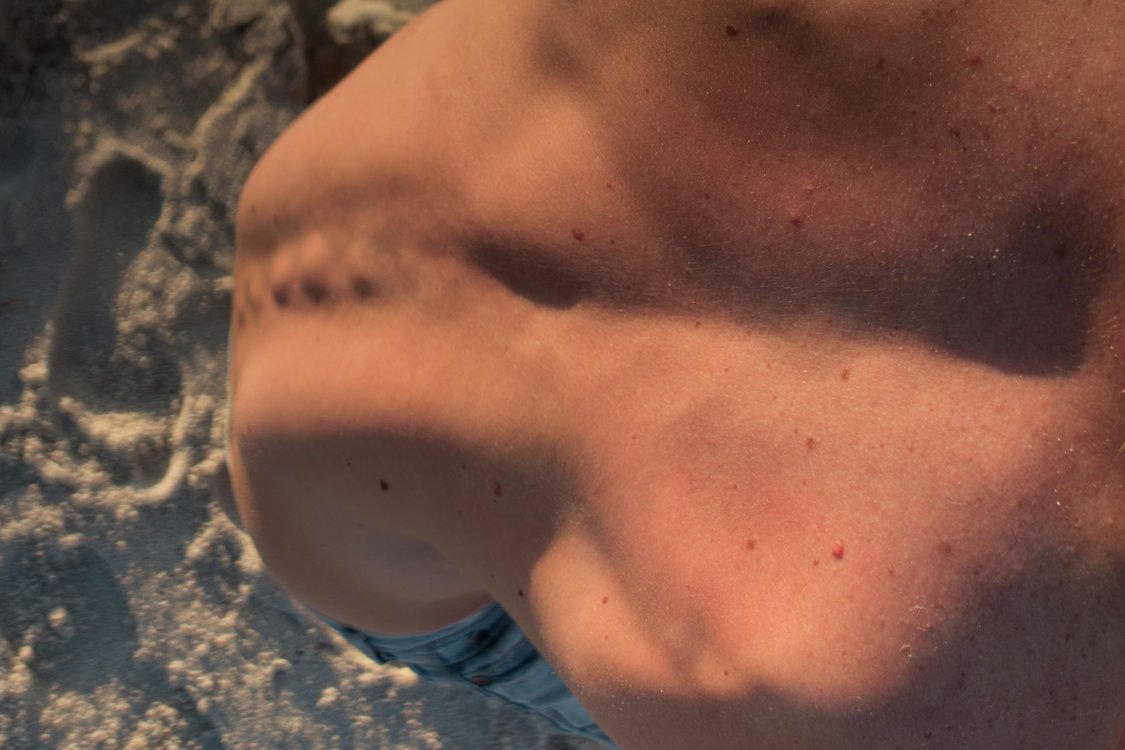
Tillmans’ work reflects his close connection with his surroundings and the people he encounters, interweaving his artistic practice with political engagement. The artist met with local metalworkers, resulting in portraits shown alongside those of family members (such as the famous portrait of his mother under a hair-dryer helmet), close friends (Alexandra Bircken, Lutz Huelle), and international figures (Lady Gaga, Frank Ocean). Parallels emerge between industrial craftsmanship and the analog photographic processes visible in his abstract series such as Lighter or Freischwimmer. The natural light characteristic of Haus Cleff is central to several works. The starry sky visible from the site also inspires Tillmans’ artistic explorations involving astronomical observation instruments.
Some of the works on view, such as his black-and-white photocopies, are directly linked to Remscheid, while others — like the paper drops or apple trees series — evoke his long stay in London, the city where his artistic career began. Photographs of distant travels (Neue Welt) and festive images alike express the many facets of Tillmans’ interests and life journey.
This exhibition also resonates with the permanent collection of the Deutsches Werkzeugmuseum, where one can find, in the section dedicated to trade history, the travel case of F. C. Tillmans, the artist’s grandfather, along with documents attesting to the family’s commercial activities in Central America during the 1920s and 1930s.
more