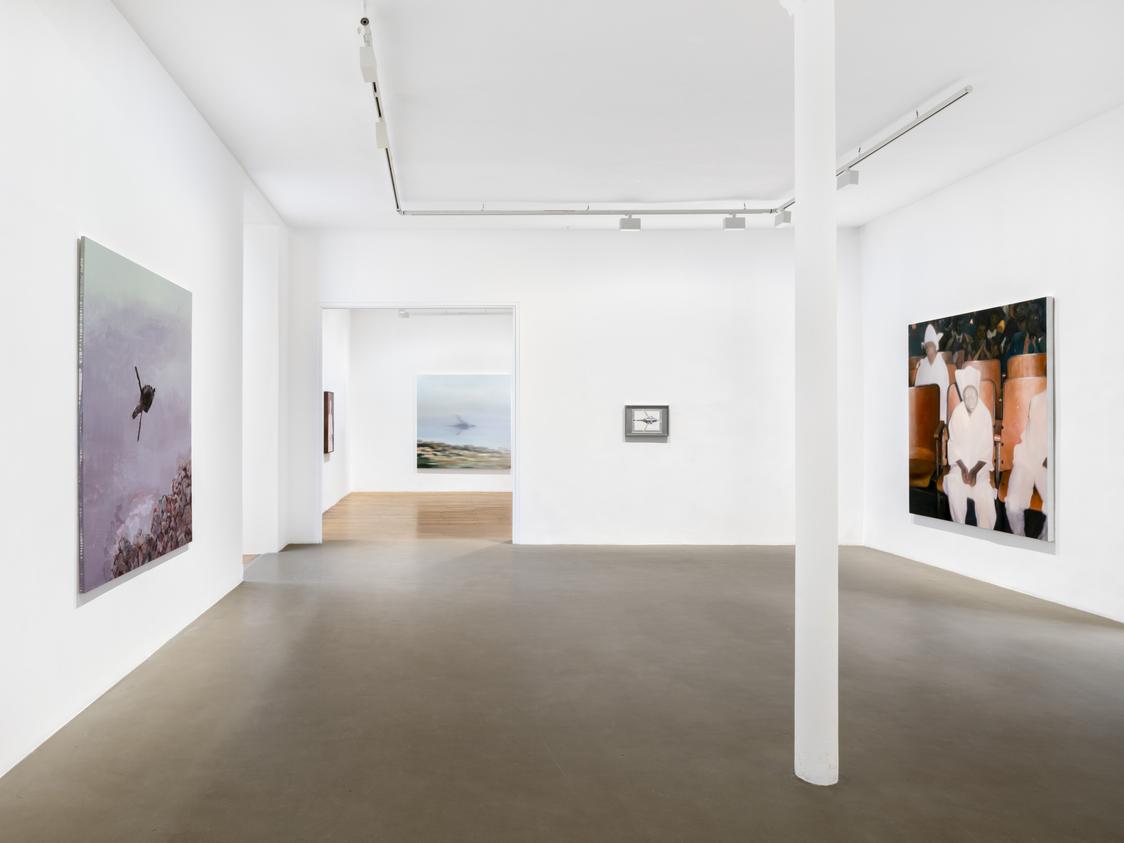
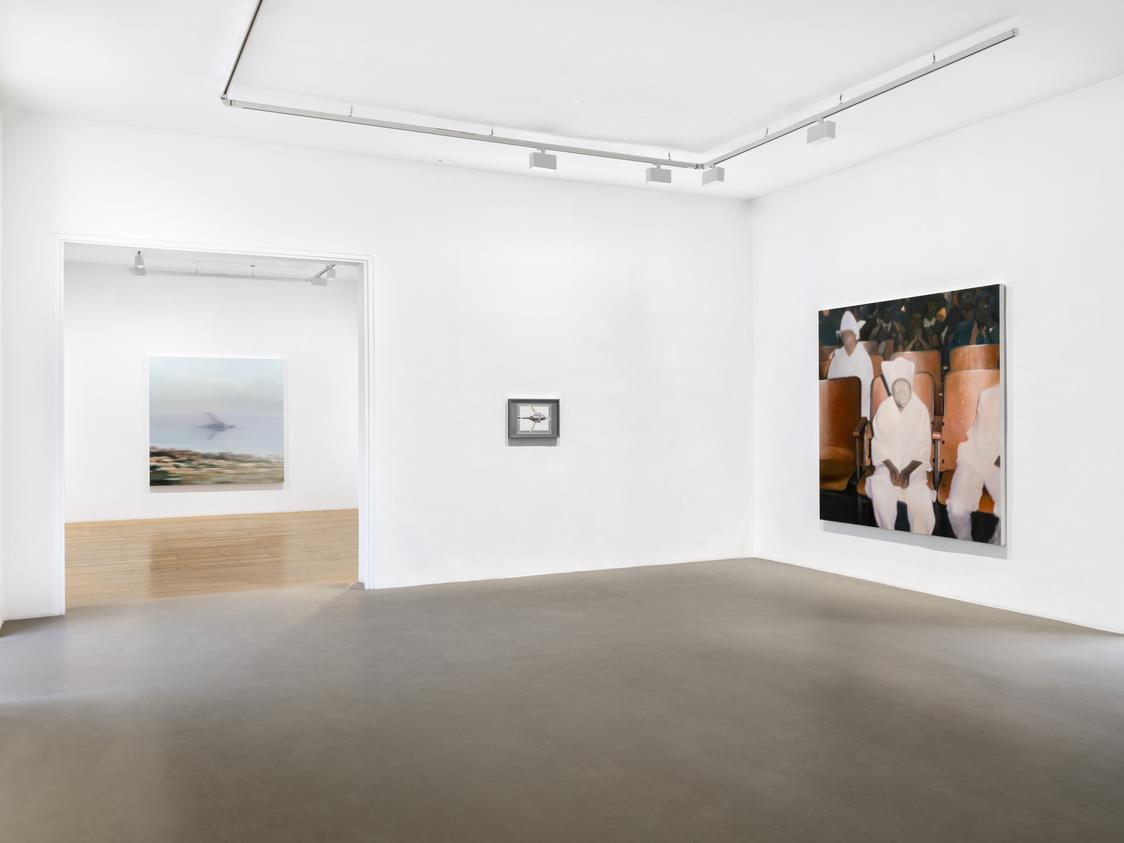
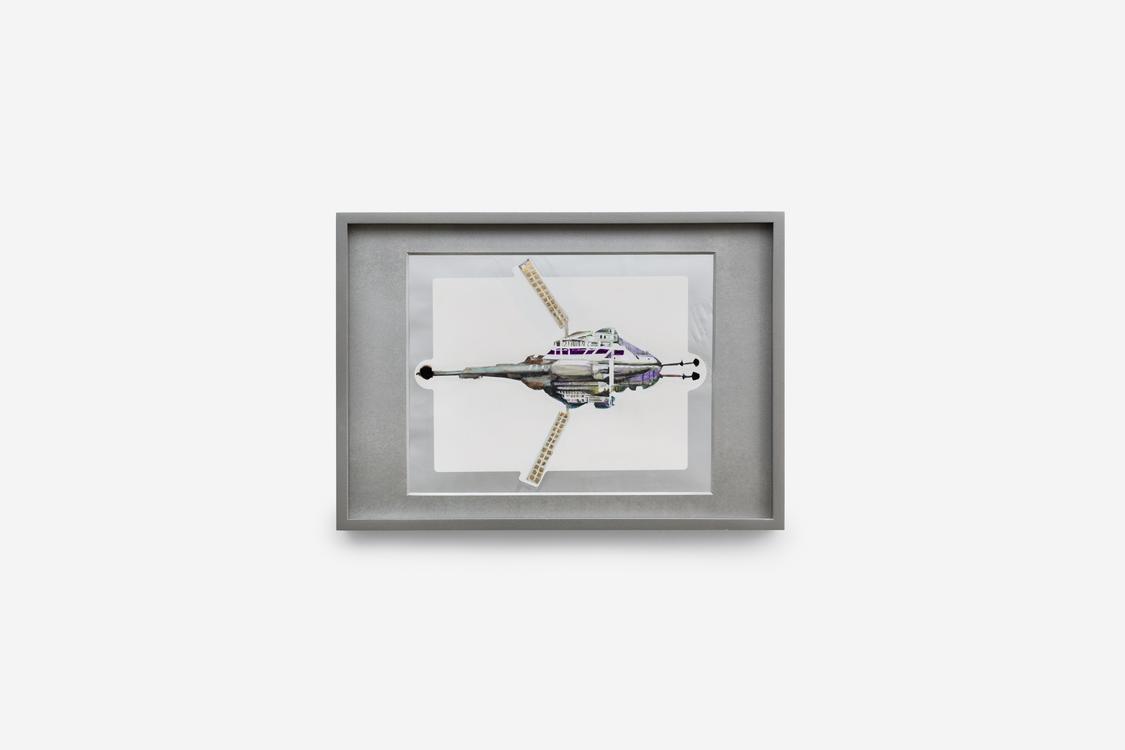
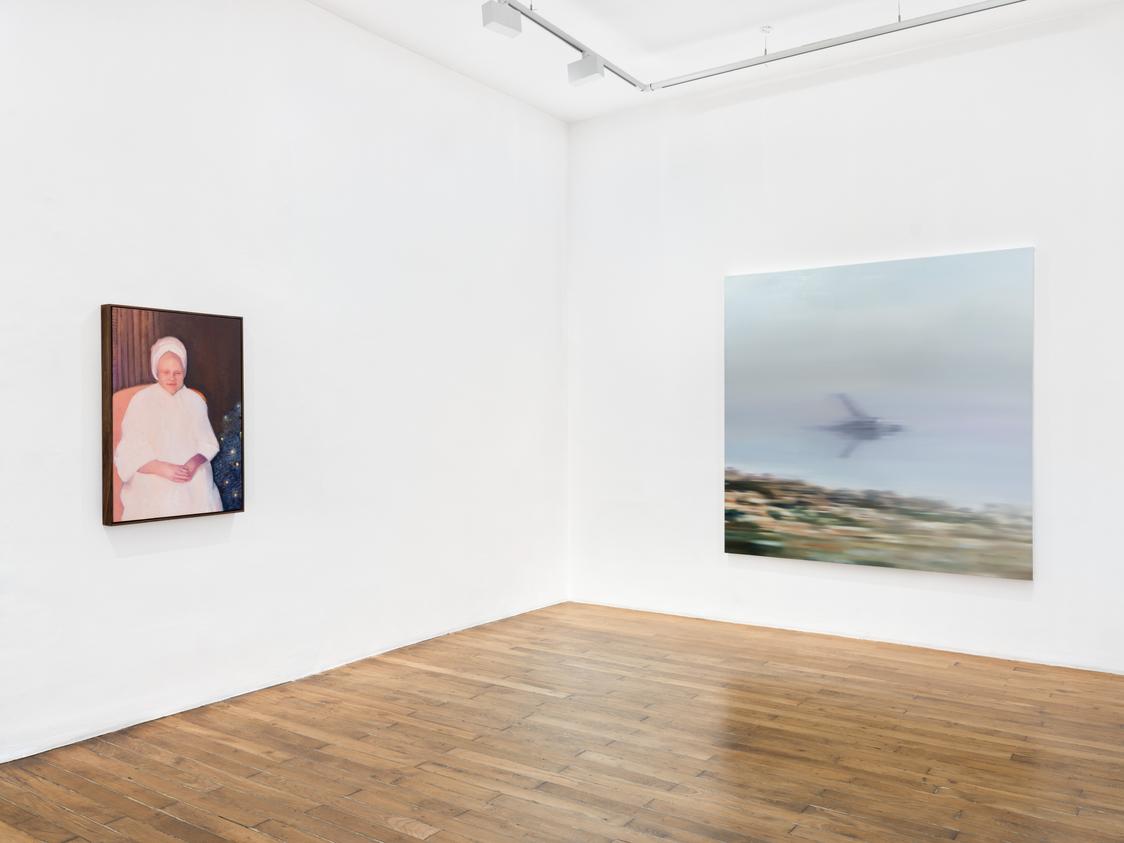
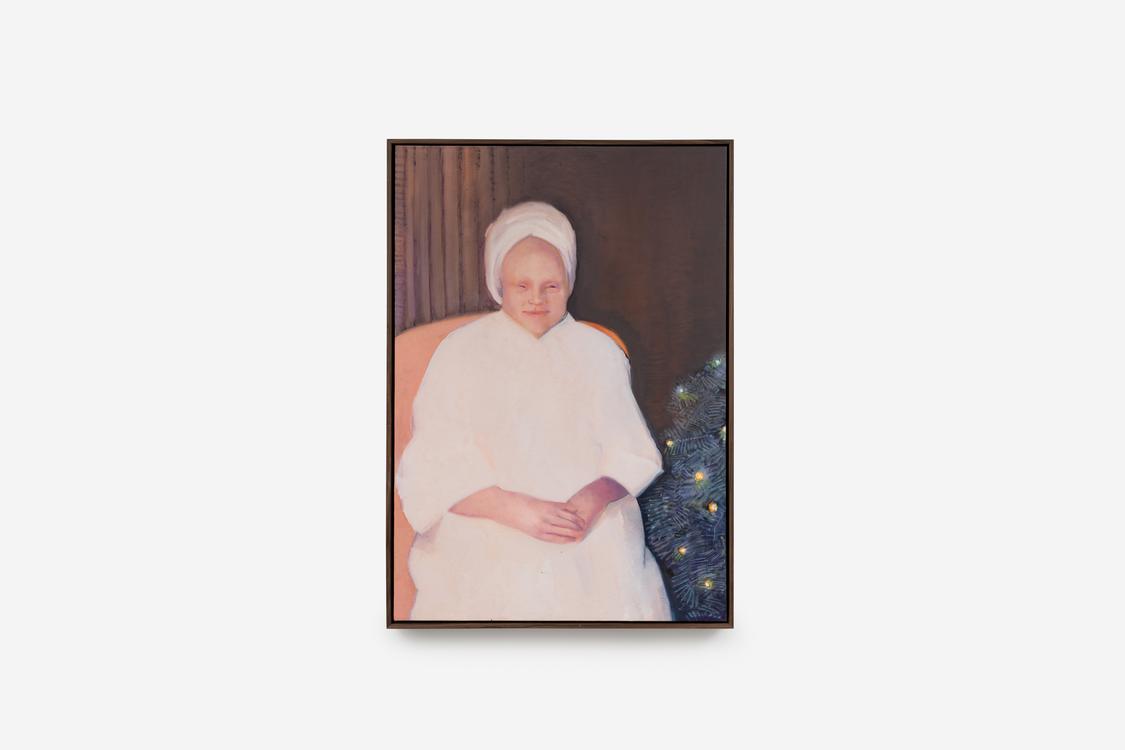
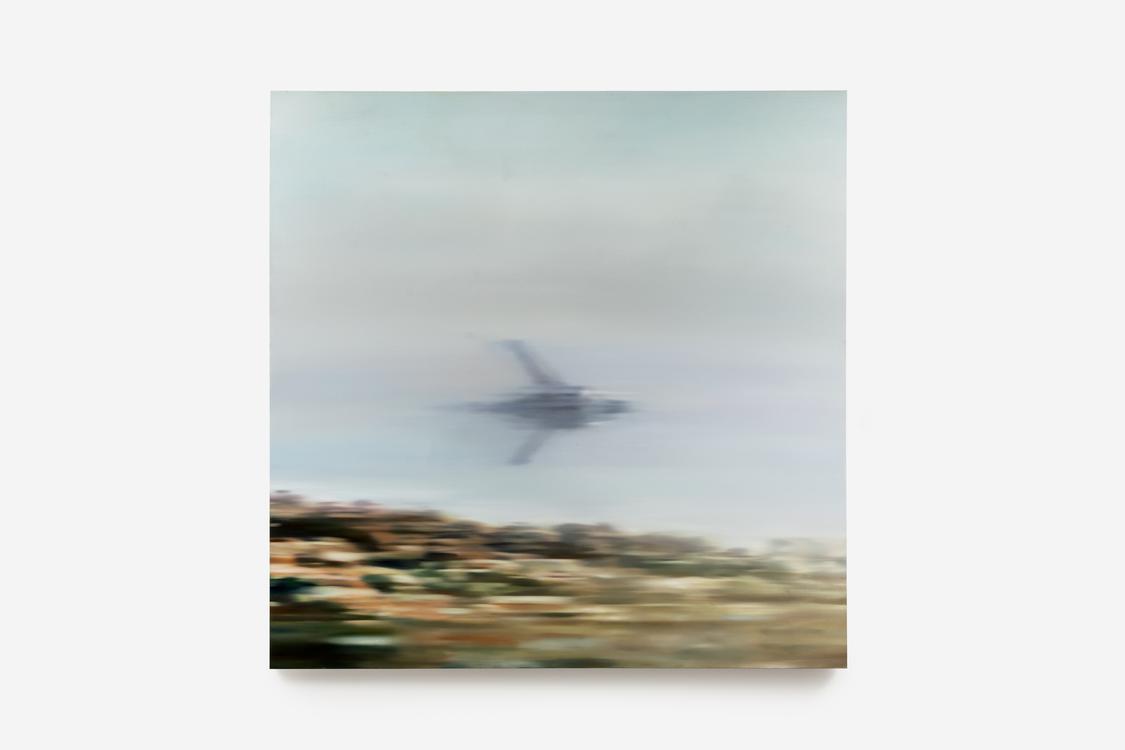
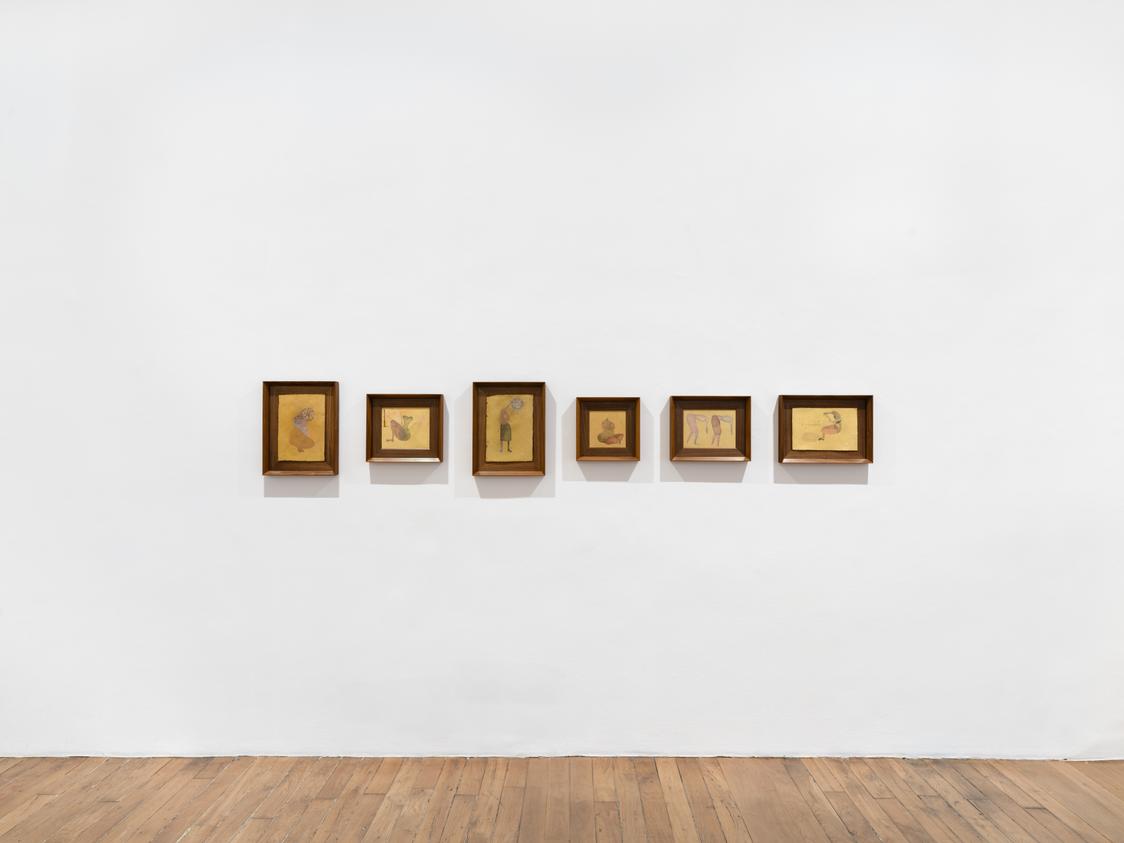
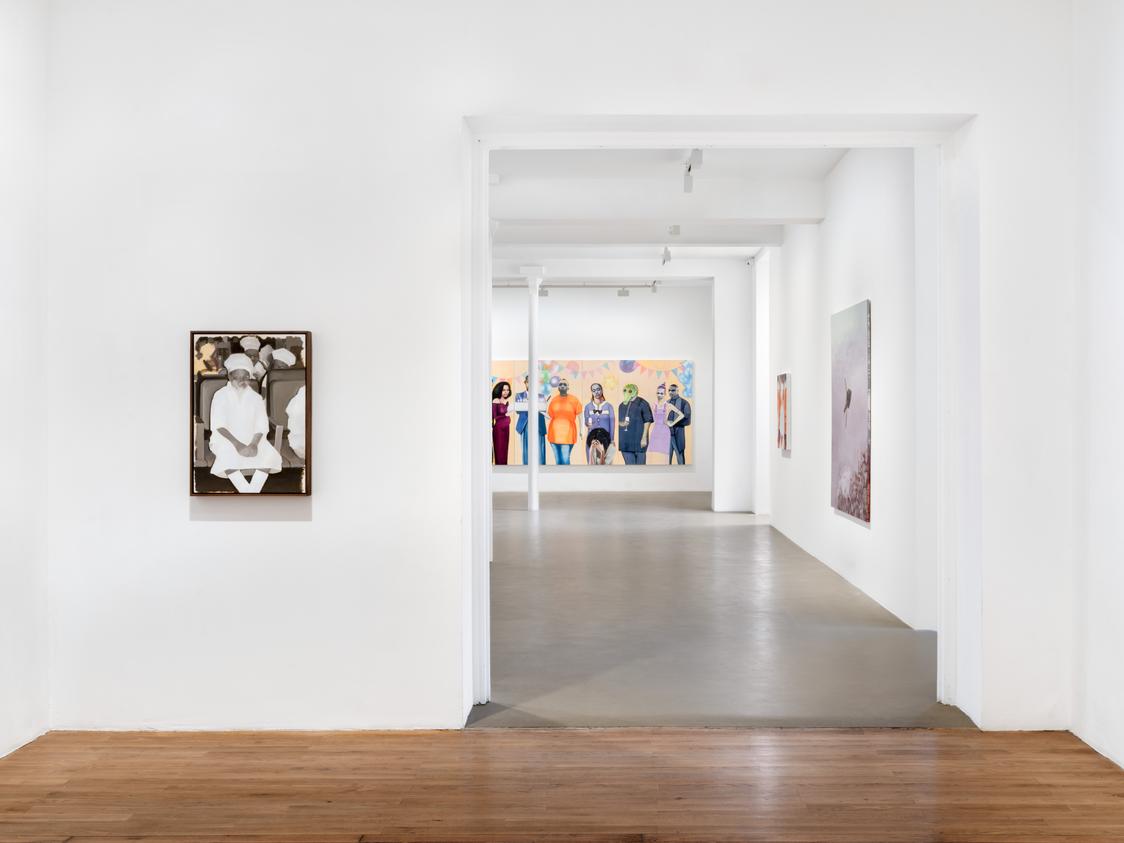
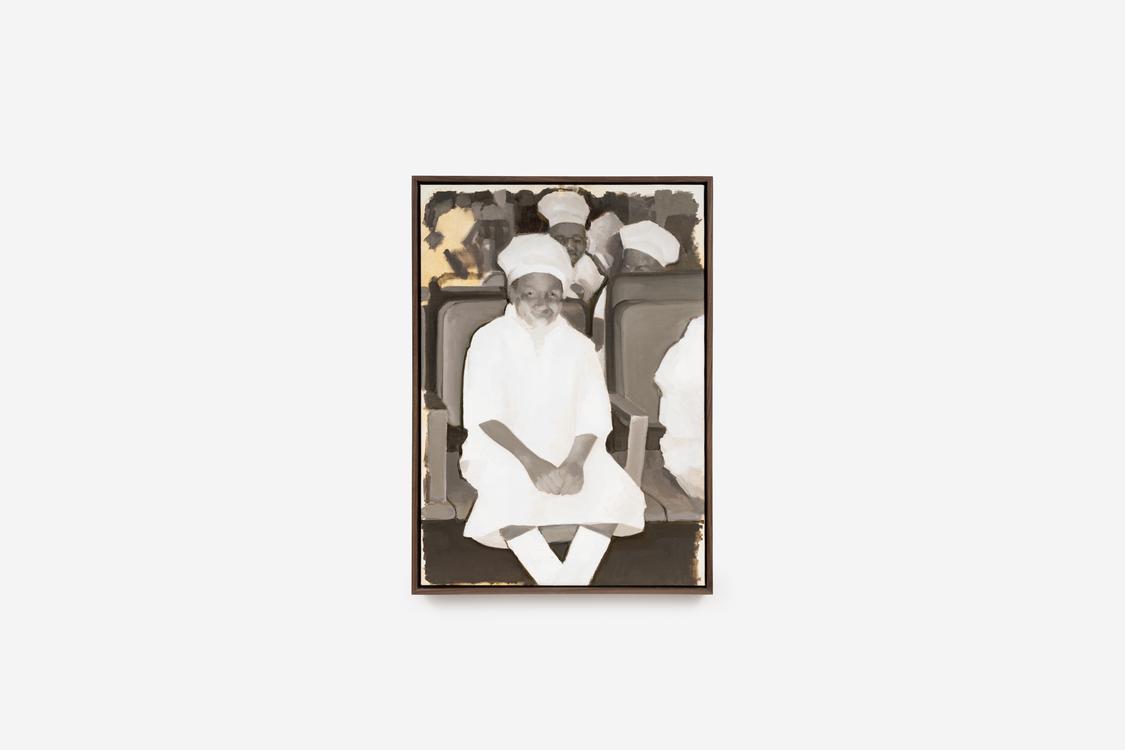
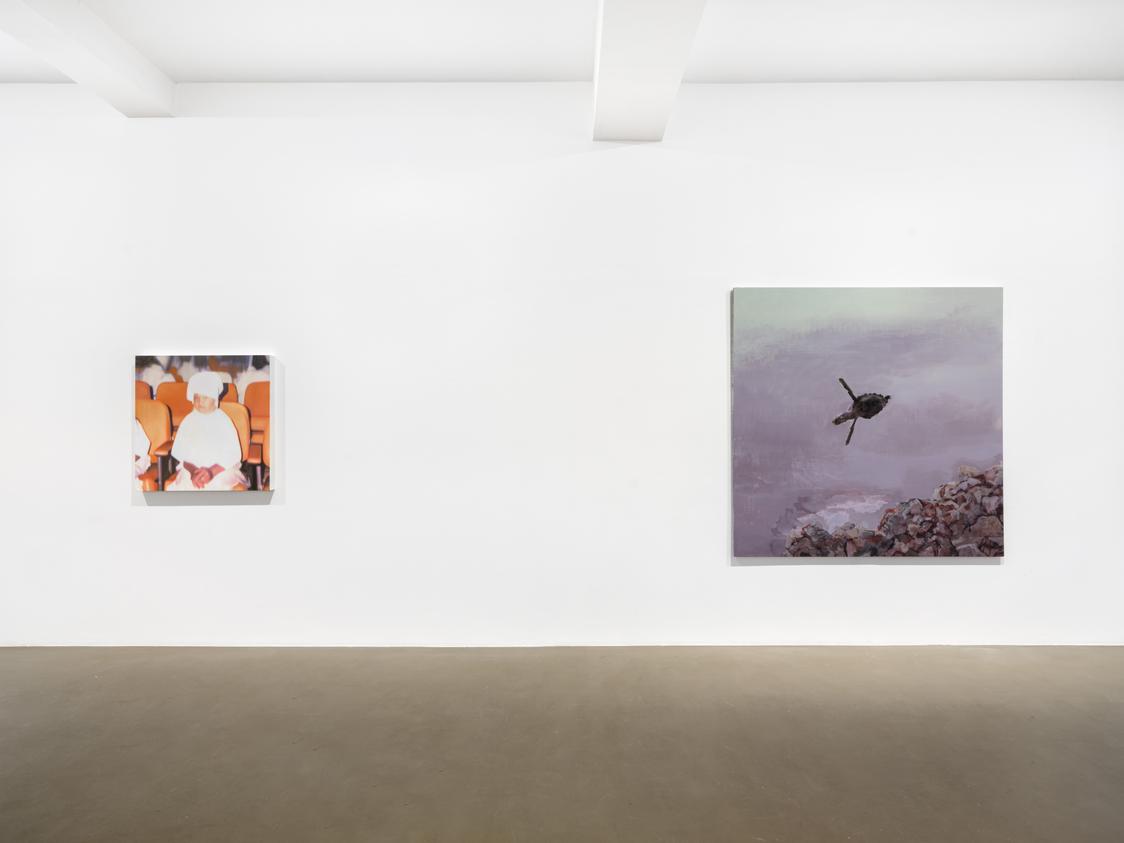
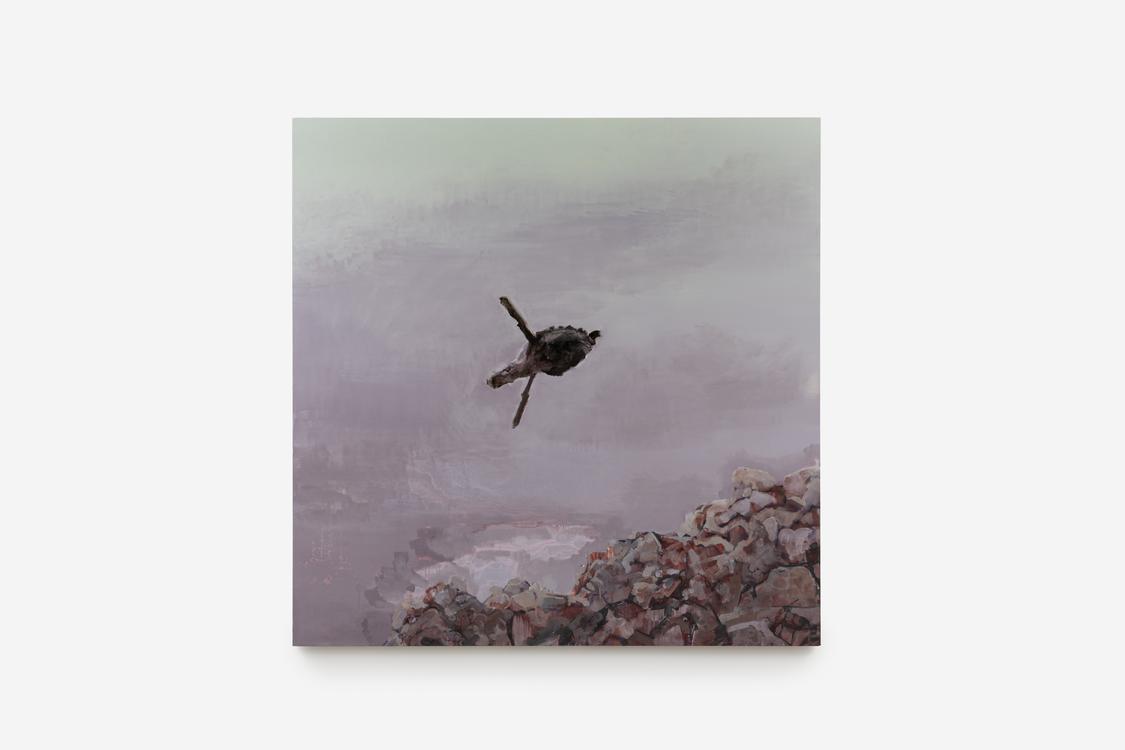
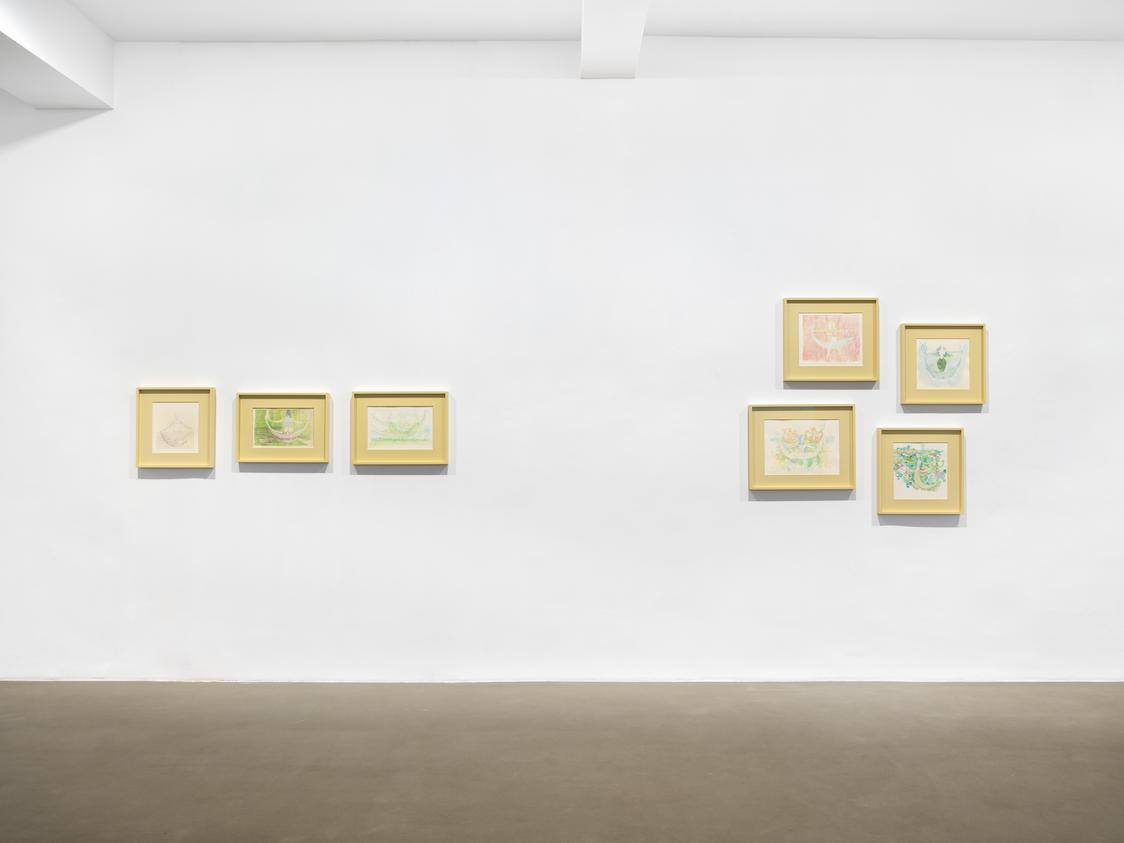
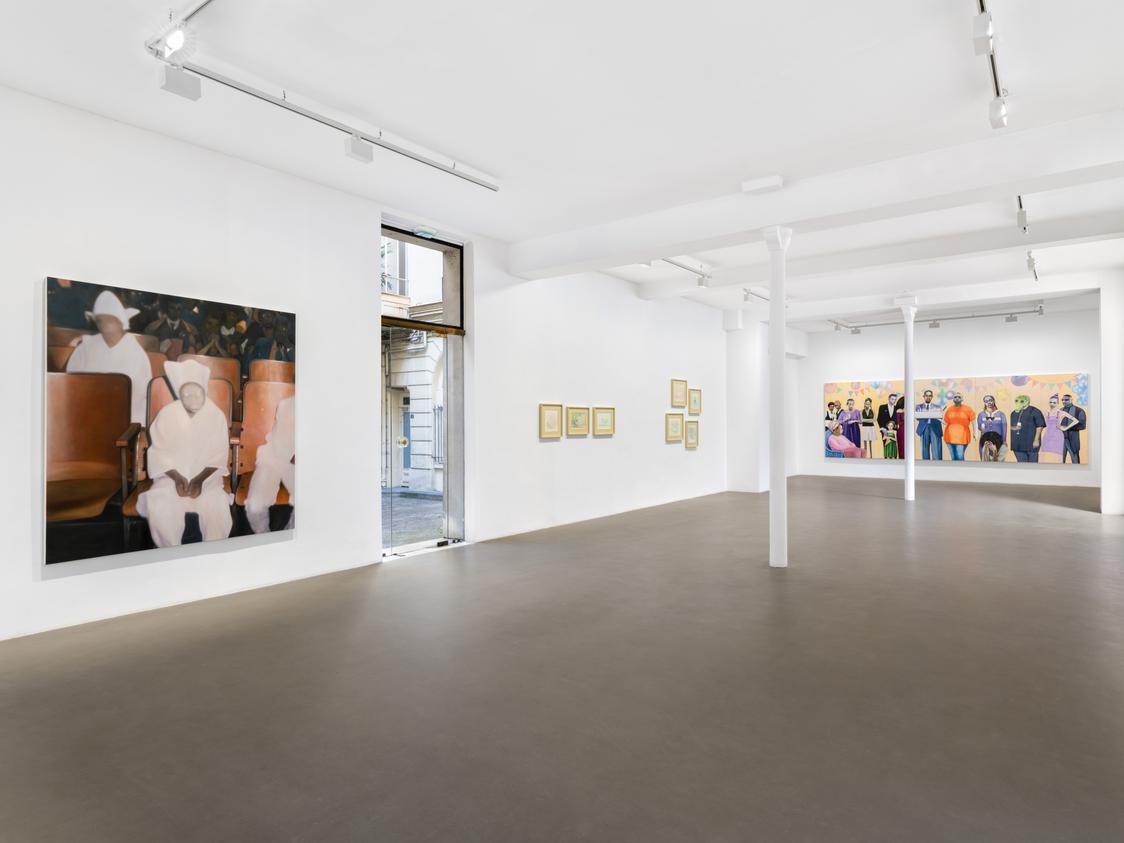
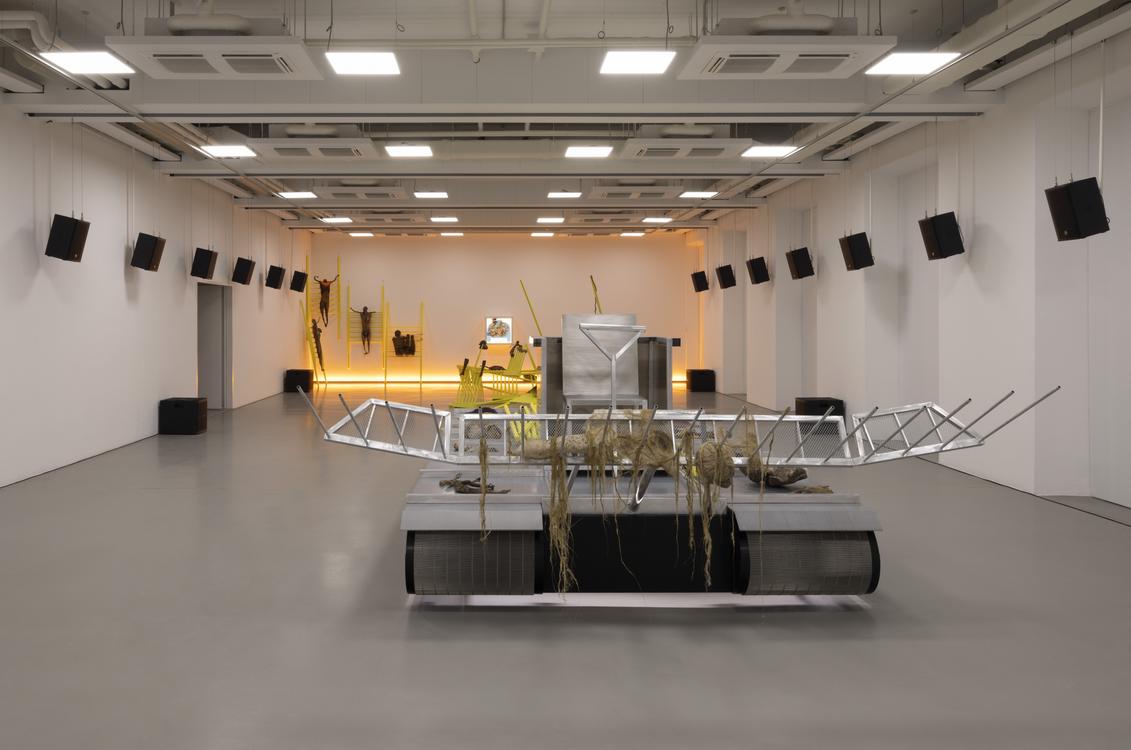
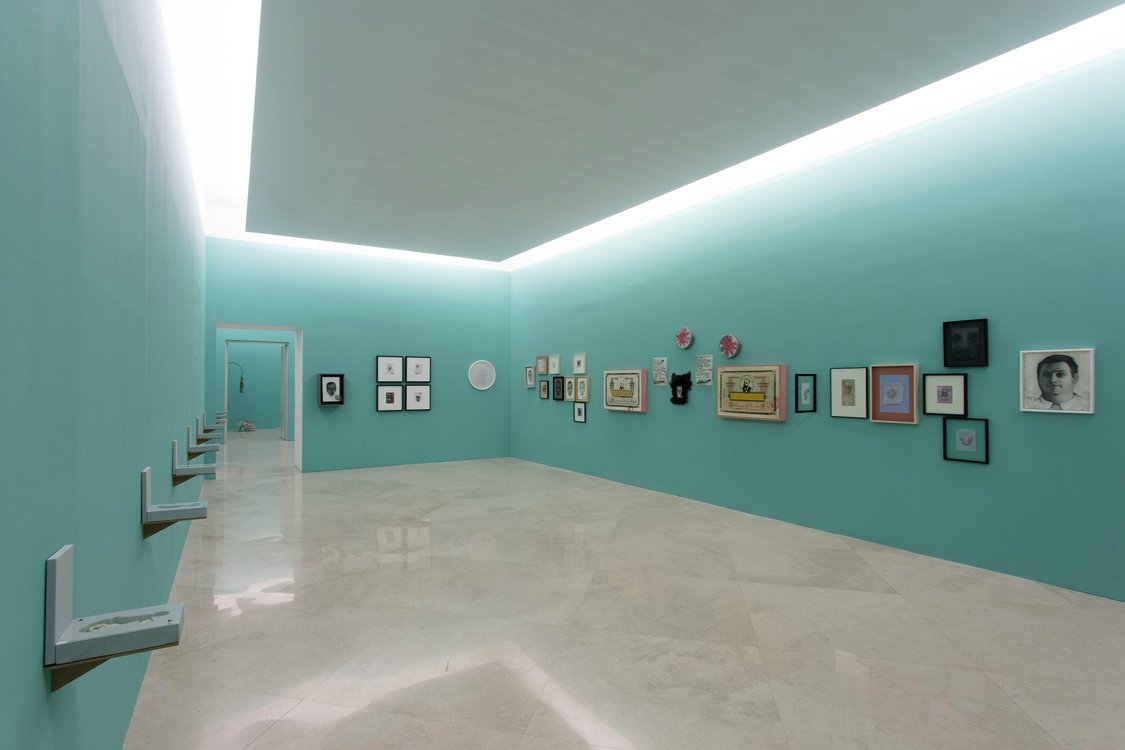
罗伯托·库奥奇在画廊的首次个展中,艺术家向我们呈现了“PEPSIS”系列的新作品。
“PEPSIS”系列植根于一种原始的驱动力,艺术家称之为风格化(stylization),这是一种简化的逻辑现象,影响着我们内心和社会生活的方方面面。从模仿学习到使用符号和符号作为表达思想的手段,风格化揭示了我们心态的本质,专注于影响事件的进程,使其对我们有利,从而避免风险和失败。
从风格化的角度看,欲望对应的是越来越多的可接近、可实践的参考模式的积累。
随着存储信息的可能性的增加,通信的速度和吸收信息所需的时间也增加了,因此需要简化。
由于认知的限制和可参考的模型越来越多,导致我们将它们的不同含义无限趋近。
复制生活方式、行为准则和一切事物呈现方式的冲动使人怀疑,想让我们以最省力的方式看到我们已经看到(already seen)的东西,这是我们不可避免的命运。
过量的引用没有任何层次结构地被划分为一组选项。对等性不能提供足够的秩序,并且不能区分更高阶的模型。语言结构丢失了,完整的意义也随之丢失,然而,它却在毫无意义的常规规则的基础上被任意地程式化了。
在“PEPSIS”中,这种风格化的前提变成了一种绘画方法,将真实性和对新事物的探索作为其历史的驱动力。
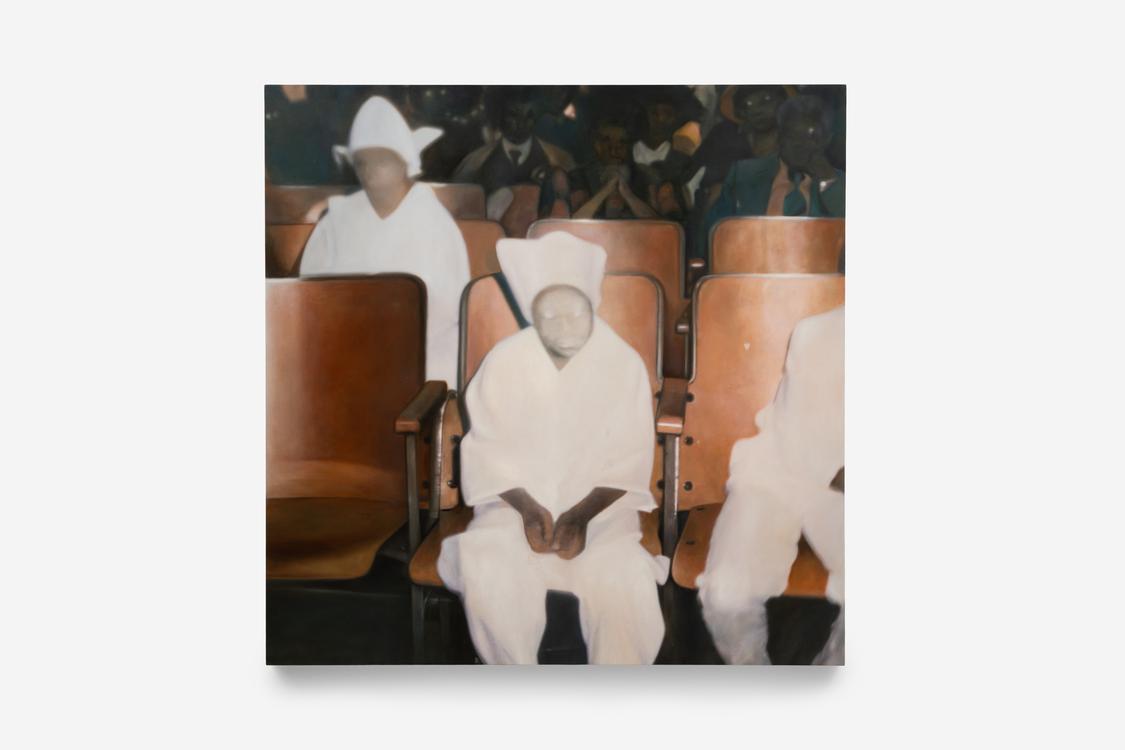
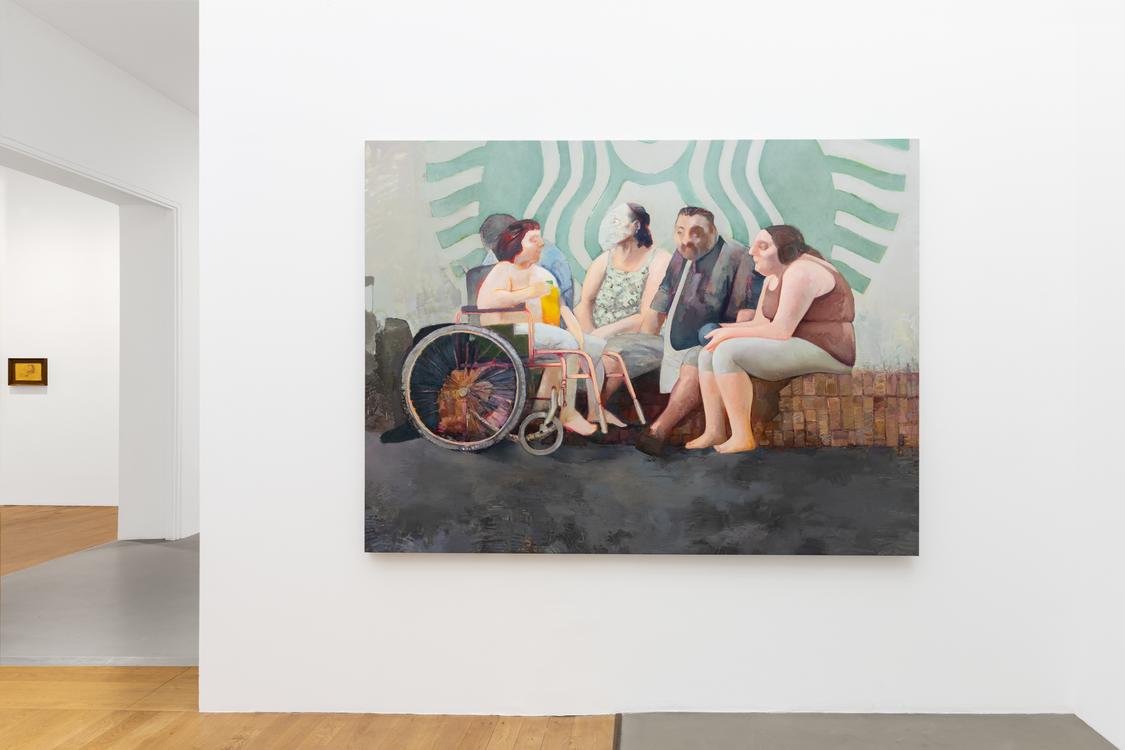
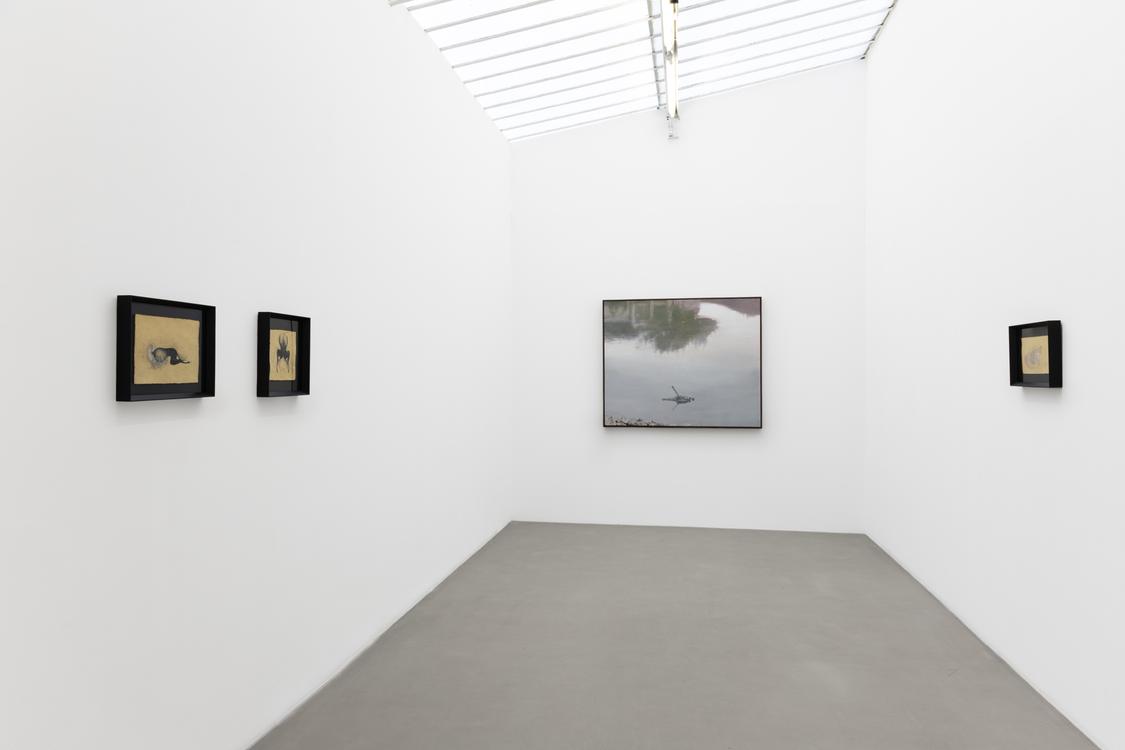
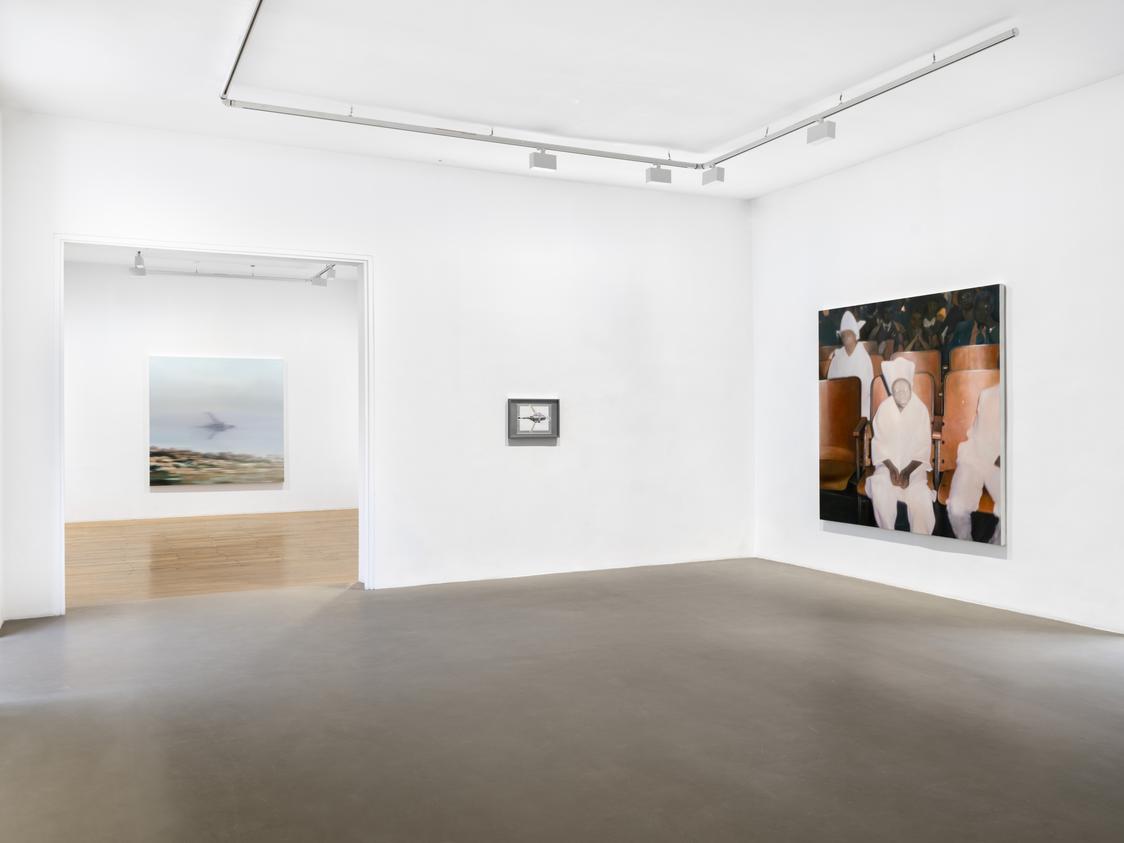
在这次展览中,自身的建议是随意的,没有逻辑的,与谷歌镜头混合在一起。这些作品源于一张珍贵的爵士专辑封面,一个1992年的惊悚片中的场景,一张为了开玩笑而拍的照片。当观众看到不连贯的信息时,他们倾向于在系列之间建立联系,把注意力集中在明显的捷径上。用我们熟悉的风格、媒介和主题来构建我们自己的“虚构的博物馆”总是比较容易的。就像一种似曾相识的感觉(déjà vu)一样,很难接受这种可能完全是假的感觉。
“Pepsis”是一种寄生蜂的学名,它能操纵其他昆虫的行为,把它们变成幼虫的窝。寄主昆虫变成了另一种东西,放弃了任何避免成为寄生虫的活饭和复制工具的企图。
—
Roberto Cuoghi
By Giorgio Verzotti
Along with the series of works grouped under the title PEPSIS, Roberto Cuoghi is delivering a very stark statement, one made up of pithy phrases describing our state of alienation in which he asserts that we have no alternative but to adapt. A condition that does not concern solely the world of the art, his field of operation, his public, but existence itself.
Another excess, of the kind that the artist has scattered throughout his work, in images and in writings? It’s true that even the possibility of a dialectic between norm and transgression has faded, thanks to the infinite capabilities of power, to such an extent that as far back as 1985 an expert on aesthetics like Hal Foster indicated resistance as the only possible response. Standing up to power implies a stance, not an action, something connected with being and not doing, seeing that, from this perspective, anything one might do would be ineffectual.
If stylization is to formation as style is to form, if that is to say we strip the idea of action from the last two terms, in effect what is left is being. Being resistant? There’s no one to stop us from trying, at least: we can become hostile to style.
Michel Foucault said something in the vein of if we can’t be antagonists, let us at least be agonists. Let us take that more or less compulsory choice of adaptation to extremes, adopting the measureless as measure of the world. Making the system function to excess, causing it to overheat as a result of overproduction, so that it goes haywire and can open up to other modes of operation.
Besides Roberto Cuoghi has already done this, in that book with a title resembling a tongue-twister, already heralding the oracular style taken to the point of deliberate incomprehensibility which animates the entire publication. Cuoghi wrote a text and then had it translated into a series of different languages: Serbian, Chinese, Finnish, Russian, Arabic, Japanese, Turkish, Slovenian, Greek; and then into the tongues of local communities scattered around the world as well, Quechua, Mixe, Toba, passing back into Italian several times. The result of course was the almost total distortion of the original text, whose meaning was already highly elusive. In his essay on Cuoghi for the catalogue of the exhibition first staged at the Centre d’Art Contemporain in Geneva in 2017, Andrea Cortellessa points out that there is a precedent for this. Eugenio Montale had conceived and then carried out a similar undertaking in poetry, and where visual art is concerned we should remember that it was the same logic (although without the excess!) that governed Bertrand Lavier’s 1976 installation Polished.
In short this is something poets and artists are accustomed to. Using a system from within, and operating solely on the basis of its internal rules, they manage to sabotage it. And Cuoghi as always goes to an extreme: if Alighiero Boetti placed order and disorder face to face, taking language to the brink of babel, he plunges it into chaos. And yet there is sense in this delirious play of non-sense: the act of sabotaging the system also serves to reveal the way it works. It is culture and not nature. It can become a field of operation.
In French the prefix of overheating and overproduction is sur-. Georges Bataille, in his dispute with André Breton, wrote the famous article “La “vieille taupe” et le préfixe “sur” dans les mots Surhomme et Surrealisme,” attributing a negative value to the prefix because it is elevating: sur- means wishing to ascend to the heaven of ideals, to the classical rationality which has shaped bourgeois culture. But we can also understand “over-” in the sense in which it has been used here, perhaps a more “materialistic one”: overheating the engine until it burns out. Then it is up to us to turn it into something else. Or, and with good reason, we can use PEPSIS as a method that in a certain sense is one of self-abuse. Use it, that is, to our advantage. As an anomaly within a system that does not break it but, if allowed to persist, helps to make it work in an unexpected way. Thus the artist operating within the system finds a similar possibility in it, acting like the parasitic insect and conditioning the existence of the host. In short the artist surreptitiously uses the system to his advantage, even if he does so covertly.
With this exhibition at Galerie Chantal Crousel, Roberto Cuoghi, who to put it mildly has always been a versatile artist, has “entered” the system of painting, of painting as a specific discipline, if we can call it that, with the full intent of subverting it. A painting that will go against itself, above all against the obligation, for that is what it has now become, of linguistic and conceptual innovation. This last is no longer a matter of emancipation but if anything of marketing, and the distinctive trait has become a means of promotion. To be anti-academic is something they teach you at the academy.
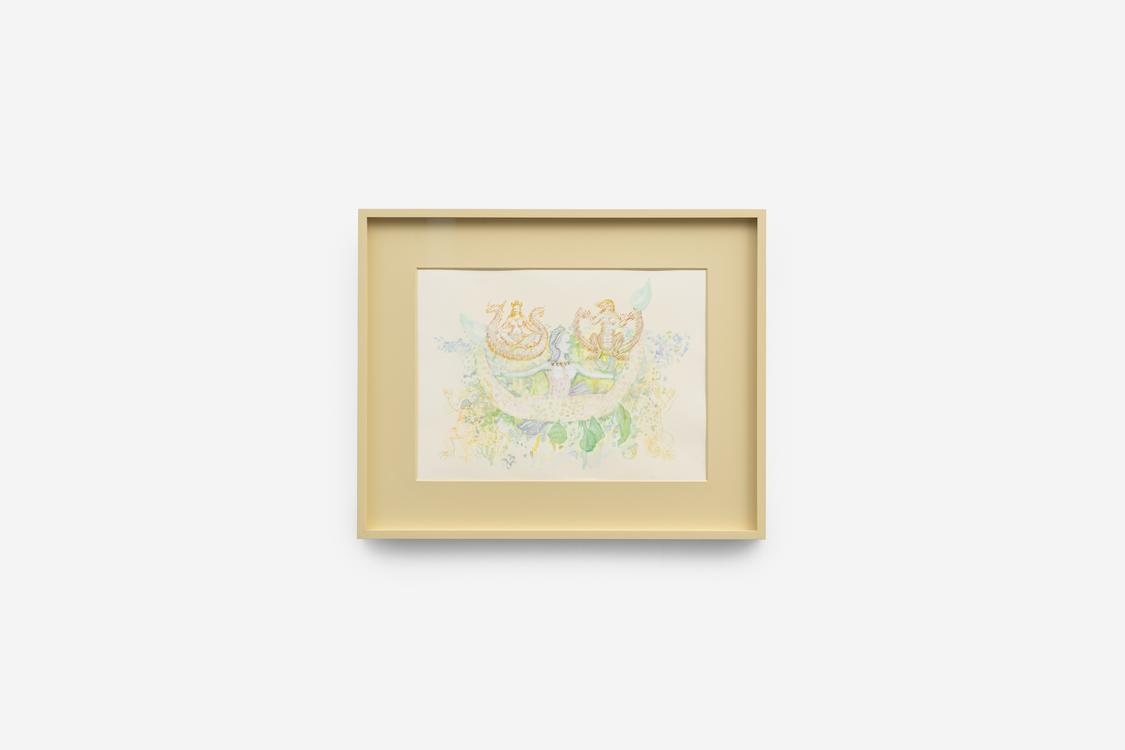
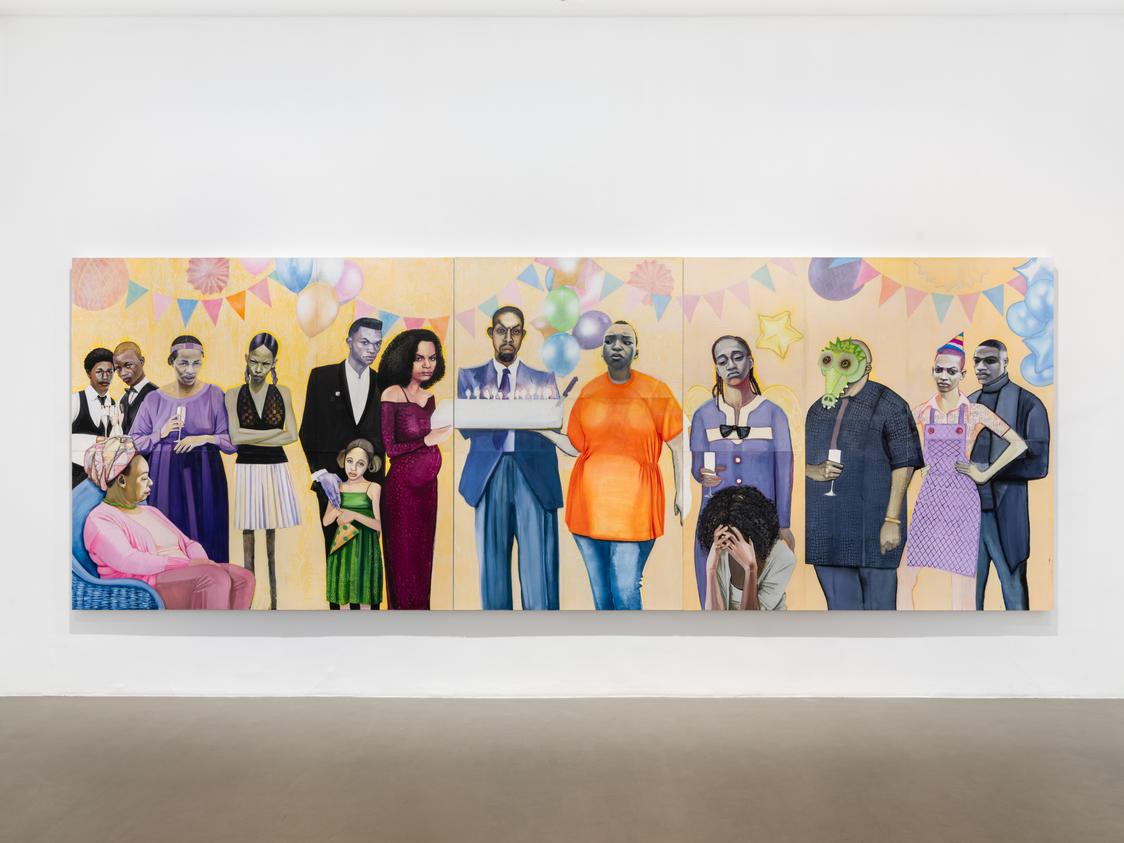
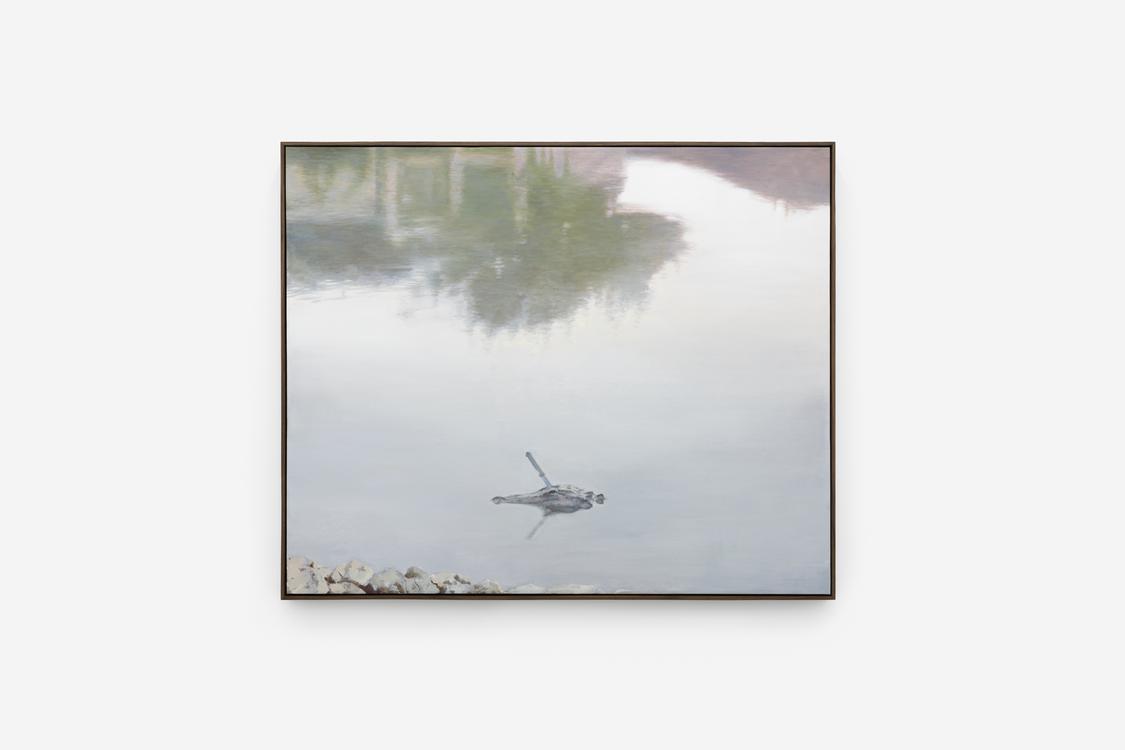
In the pictures painted for the exhibition, Cuoghi has adopted several strategies, although in his case the term is not a very suitable one, since he works more by instinct. First of all there is nothing innovative here. The viewer is faced with a number of groups of similar works, like separate thematic islands that may intersect and get mixed up but in general convey a sensation of déjà vu. There’s a sort of reuse of settled clichés in contemporary painting, recycled by Cuoghi with the clear intention of undermining both the authoriality of the artist and the authority of the subjects he paints. Even when he paints them very well, as in the beautiful watercolors peopled with fabulous female figures, and all the more so when he sets out to mimic the “Bad” Painting of some years ago. There are connections of meaning between the images, but in the end they prove to be incoherent, or a migration of details that reappear in conflicting contexts. In most cases the images are not original, but neither are they really copies. They reappear in repetitions that differ just enough to quell any suspicion of authenticity. There is a fine example of limpid, radiant figuration, attained with the delicacy of a watercolor on paper mounted on canvas, from which an array of almost life-size figures look out at us, but with features that verge on caricature, so that the painting borders on a parody of itself. Finally, we note that while stylization is the product of simplification and repetition, here everything is complicated and nothing is repeated, and this is already quite an achievement.
To go back to Bataille: Cuoghi has always been at once the eagle that flies in Hegel’s high heavens and the old Marxist mole digging away underground, with an attention to formal factors that verges on the virtuoso, and an indisputable skill in composition, and at the same time the almost intemperate emergence of the formless, a tumefied, suppurating, disintegrating material, like that of a world that is being transformed but veering downward, perhaps all the way down to the base materialism of our Georges.
This balancing of two extremes already indicates the extent to which the artist is refractory to an unequivocal and reassuring definition of his status. It is a question of attitude, of stance as we put it, or if you like of character, which always drives him to extravagance, to excess. It is not a plan. It is a dimension of being rather than doing. Cuoghi once said that he likes to “prove everyone wrong:” it’s one way of taking advantage of adaptation.
精选图片